Nevada Jumbo Loan Limits for Reno and Tahoe Homes
January 22, 2026
January 22, 2026
Shopping for a luxury home in Reno or around Lake Tahoe and wondering if you’ll need a jumbo loan? You are not alone. High-end homes can cross county lines and price ranges, which makes the financing feel complex. In this guide, you’ll learn how jumbo loans work, what lenders look for, the timeline to expect, and the local issues that can make or break a closing in the mountains. Let’s dive in.
A jumbo loan is any mortgage that exceeds the conforming loan limit set by the Federal Housing Finance Agency for the county where the property sits. These limits change each year and vary by county and by the number of units. If your loan amount is above the county limit for your property type, lenders will treat it as a jumbo.
Because limits change annually, you should always verify the number before you shop. You can check the current FHFA county limit for Washoe County and for the specific county on the Tahoe property you are considering. Tahoe spans multiple counties in Nevada and California, so confirm the exact county and property address early.
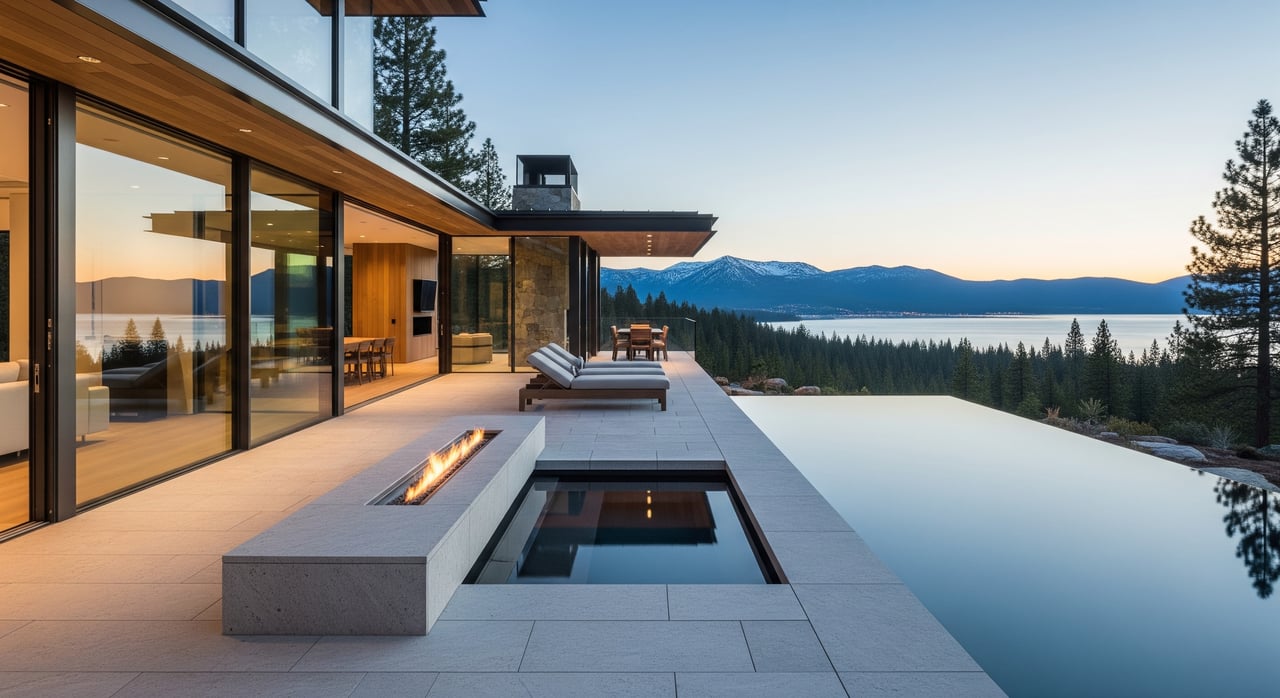
Many lakefront and ski-area homes around Lake Tahoe require jumbo financing based on price alone. In Reno and greater Washoe County, many homes fall within conforming limits, but custom builds, view estates, and premium neighborhoods often exceed them. If your target price is well above the local limit, you will likely use a jumbo loan.
Jumbo underwriting is usually stricter than conforming. Expect the following:
Gather documents early to speed things up. The CFPB’s guidance on the mortgage process is a helpful overview. For jumbos, expect:
High-value, one-of-a-kind properties can be harder to appraise, especially around the lake where true comps are scarce. Lenders may require specialty appraisers, multiple valuation approaches, or a second review. For background on how appraisers evaluate complex homes, see the Appraisal Institute’s resources.
Insurance can be a gating item in Tahoe and the Sierra. Wildfire risk, waterfront exposures, and limited carrier capacity can affect your ability to bind coverage and may raise premiums. If a lender’s flood determination triggers it, you may need flood insurance even outside FEMA’s Special Flood Hazard Areas. Use the FEMA Flood Map Service Center to understand flood mapping, and review current market guidance with the Nevada Division of Insurance or the California Department of Insurance, depending on the property’s location.
Mountain and lake properties can have easements, private road agreements, or seasonal access that require extra title review. Many Tahoe condo and resort projects face stricter lender eligibility standards, including reserve requirements and investor ratio limits. New construction or land purchases often call for different loan types, such as construction or lot financing, rather than a standard jumbo.
Jumbo rates are often modestly higher than conforming rates, but the spread depends on your credit, loan structure, and overall market conditions. Fees can be higher for large or complex properties, especially for specialty appraisals. You can also expect standard items like title, escrow, credit reports, and HOA certification fees where applicable. Traditional private mortgage insurance is generally not used on jumbos, so higher down payments or lender-specific programs are common for high loan-to-value scenarios.
You can work with national lenders, regional banks and credit unions, mortgage brokers, or private banks tied to your wealth management team. Each option may offer different products and underwriting flexibility. Prioritize lenders who actively lend in Washoe County and the Tahoe counties where you are shopping, since local portfolio options and project approvals can vary.
Start by confirming the county for any target property and verifying the current FHFA limit. Get your income and asset documentation organized, then speak with a lender who regularly closes jumbo loans in Reno and Tahoe. If you want warm introductions to vetted local lenders and a strategy for timing and negotiation, reach out to JB Benna to Schedule a Concierge Consultation.
Real Estate
The Verdi Villa
Real Estate
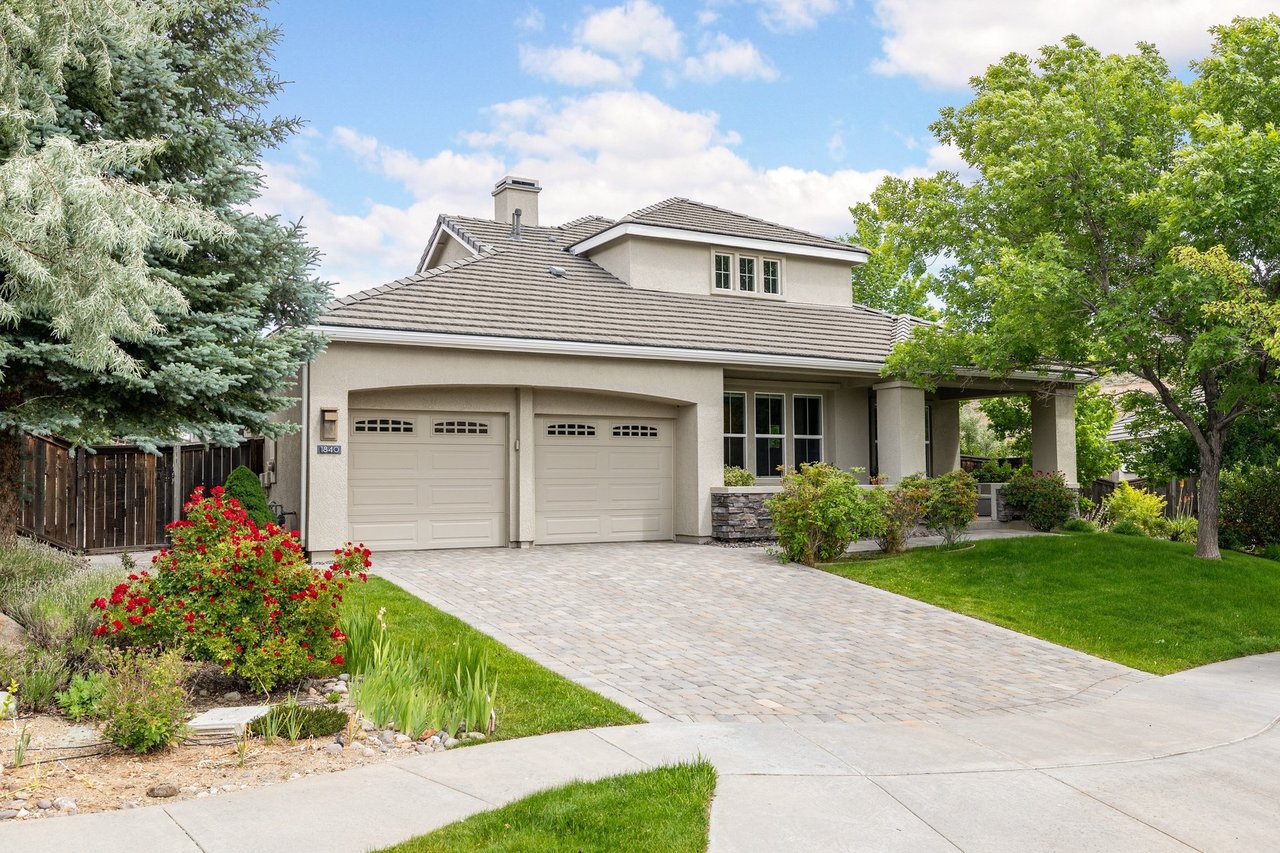
Golf Course Living in the Heart of Somersett

Real Estate
We are innovating real estate and advancing the way homes are sold and bought. We are rooted in our community heritage and relationships and grounded in sleek, custom and modern marketing.
BENNA MOUNTAIN LUXURY
13945 S. Virginia St. #606 Reno, NV 89511 5301 Kietzke Ln #200 Reno, NV 89511