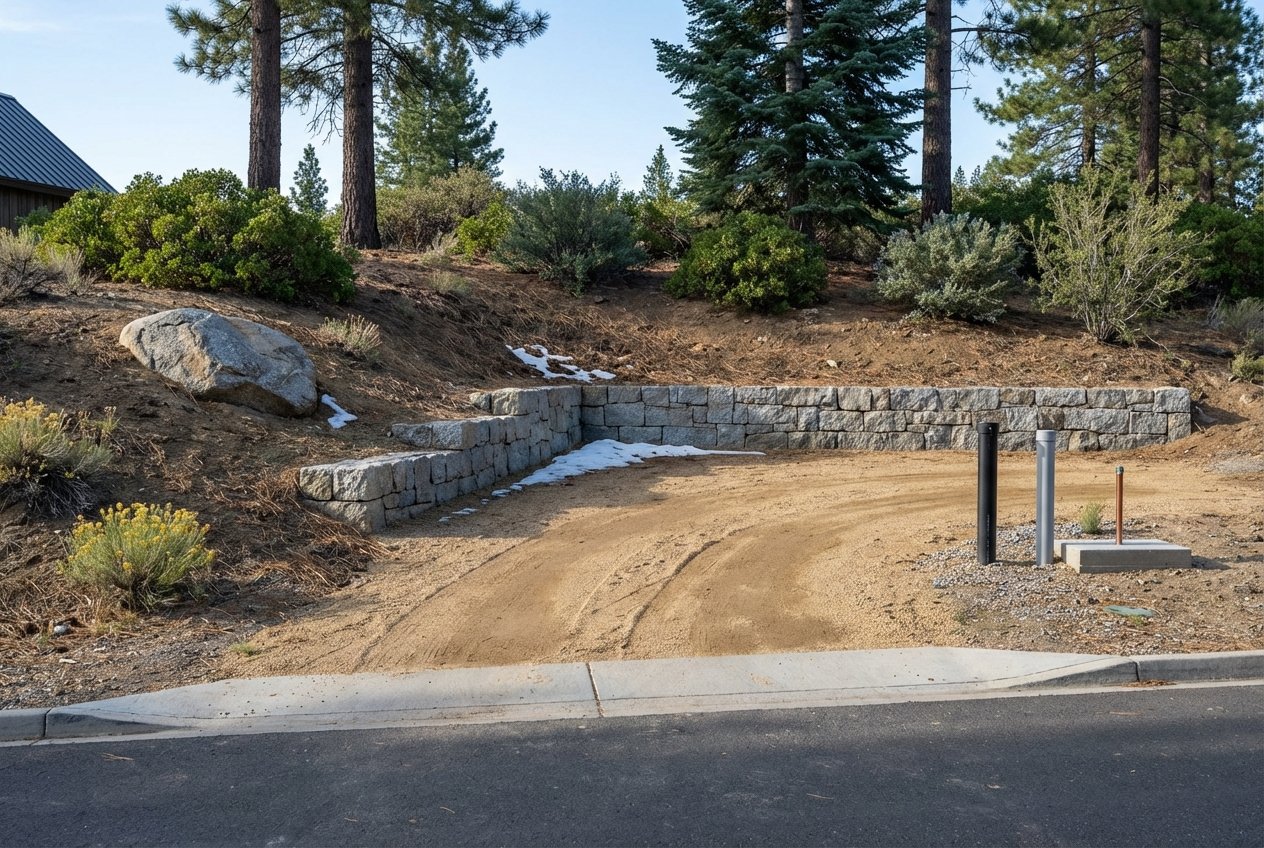
How To Choose The Right Custom Homesite In Truckee
real estate, mountain living JB Benna February 26, 2026
real estate, mountain living JB Benna February 26, 2026
You fall in love with the pines, the views, and the idea of a legacy home in the mountains. Then reality hits: not every Truckee lot is ready for your vision. The right homesite can unlock design freedom and long-term value. The wrong one can add months, cost overruns, and compromises. In this guide, you’ll learn how to evaluate a Truckee parcel with confidence, from snow loads and slope to codes, utilities, HOAs, and timelines. Let’s dive in.
Truckee is a designated snow area, and your structural design must match parcel-specific ground-snow values. Before you fall for a view, pull the parcel’s value on the Town’s Snow Load Design map. High snow loads influence roof framing, pitch, and where you place HVAC, vents, and solar. Plan early for roof snow management and safe snow storage on-site.
Steep or variable slopes often require engineered retaining walls, deeper foundations, or more grading. Shallow bedrock or fill can affect excavation and driveway alignment. New residential projects typically need a soils and geotechnical report per the Town’s Design Guidelines and Criteria. In addition, the Truckee–Martis basin includes active and young faults, so include a seismic hazard review using resources like the USGS study on an active fault near Truckee.
Meadows, swales, and riparian areas can limit your building envelope and trigger setbacks or stormwater controls. If the lot sits inside the Lake Tahoe Basin or drains to the lake, the Tahoe Regional Planning Agency has added rules and water-quality protections. Confirm basin location and factor in potential TRPA review early.
South-facing aspects capture more winter sun and can help with passive heating. North-facing slopes hold snow longer and may limit winter outdoor use. Walk the lot at different times of day to test solar access, wind exposure, and view corridors. If you plan solar PV, confirm structure and mounting choices early in design to align with Truckee’s high-snow conditions.
Expect a tree inventory and a defensible-space plan. Local fire standards and state law require clearance in Zones 0, 1, and 2 around your home. See this overview of defensible-space requirements to understand typical expectations. Your HOA may impose additional landscape and tree-removal rules.
The Town of Truckee is enforcing the 2025 California Building Codes starting January 1, 2026. That shifts structural, energy, snow, and other design requirements for new submittals. Review the Town’s Design Guidelines and Criteria with your architect so your plans reference the correct code set.
California consolidated wildfire rules into the 2025 California Wildland-Urban Interface Code, effective January 1, 2026. In many high or very-high fire hazard zones, ignition-resistant construction is mandatory for new homes. Get familiar with the state’s update via the Building Standards Commission’s Spring 2025 code summary, then confirm local adoption for your parcel.
Many Truckee communities maintain architectural standards that govern materials, colors, grading, lighting, and tree work. Some require HOA approvals before you submit to the Town. Study example standards like Tahoe Donner’s Architectural Rules and Procedures to understand how these processes can affect timeline and design.
A typical path looks like this: due diligence and surveys, HOA or ARC approvals where required, Town or County plan check and building permit, inspections, then final occupancy. Straightforward permits can move quickly, but discretionary reviews and environmental studies can stretch timelines. Plan for seasonal constraints too, since winter can limit fieldwork and construction windows.
Confirm whether the lot is within Truckee Donner Public Utility District service and whether capacity and meters are available. If not, plan for well drilling and county approvals. Start with TDPUD’s overview of local water service.
Check whether your parcel lies in an existing sewer service area. If not, you will need percolation testing and a septic design with county environmental health approval. Use the region’s treatment agency map to understand current service areas through the Tahoe-Truckee Sanitation Agency.
Electric is typically provided by TDPUD in much of Truckee. Natural gas availability varies by area, and mountain broadband can be inconsistent. Confirm providers, capacity, and potential line extensions before you buy. If you plan to build through winter, consider temporary solutions for connectivity and power reliability.
Is your road public or private. Public agencies plow public roads, while HOAs or owners usually maintain private roads. Private status can affect construction access, driveway design, and annual snow-removal costs. Verify emergency-vehicle access, turnaround needs, and winter maintenance obligations.
Gather these items during escrow, ideally before you remove contingencies:
Choosing the right Truckee homesite is part art and part rigorous process. When you combine a clear vision with disciplined due diligence, you protect your budget, shorten your timeline, and create a home that works year-round in the mountains. If you want a partner who knows the luxury land landscape and can connect you with the right design and engineering talent, connect with JB Benna to Schedule a Concierge Consultation.
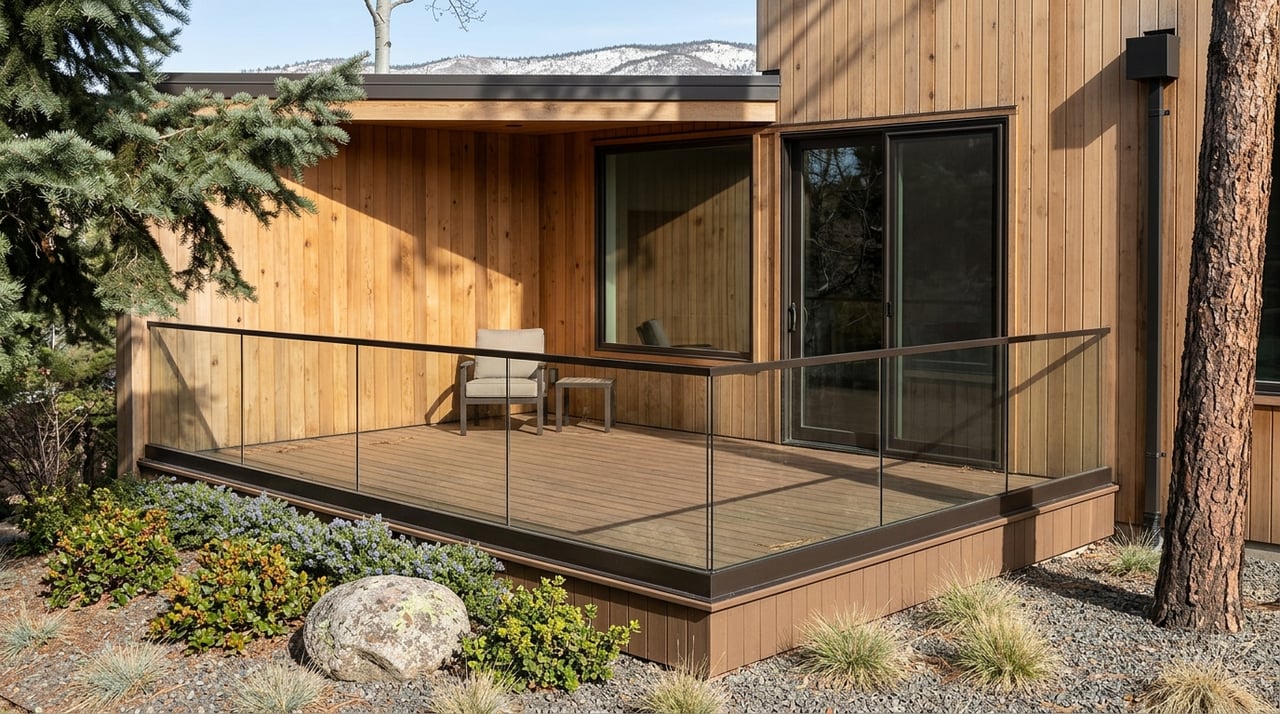
Mountain Living
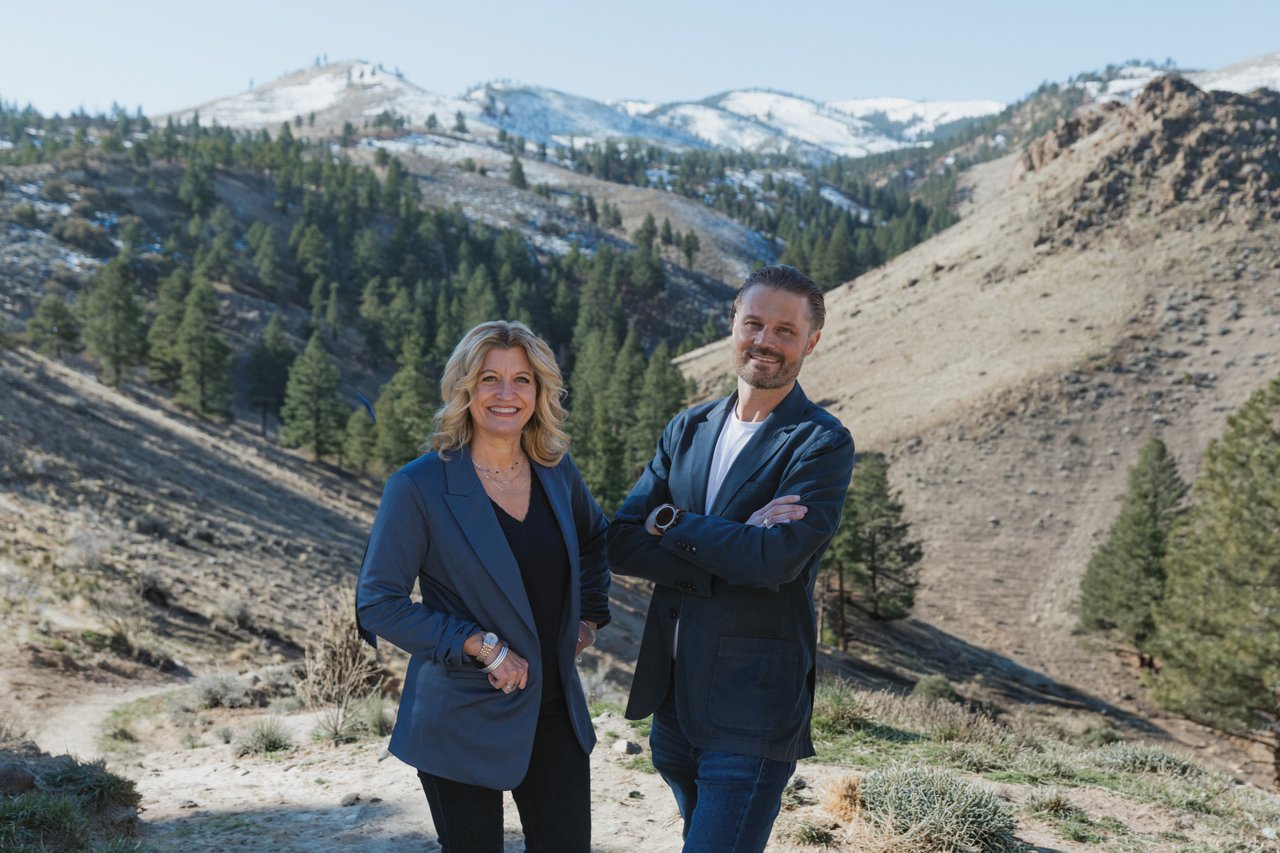
How One Conversation Led to a New Life in Somersett and a Shared Vision for Serving Others
Lake Life
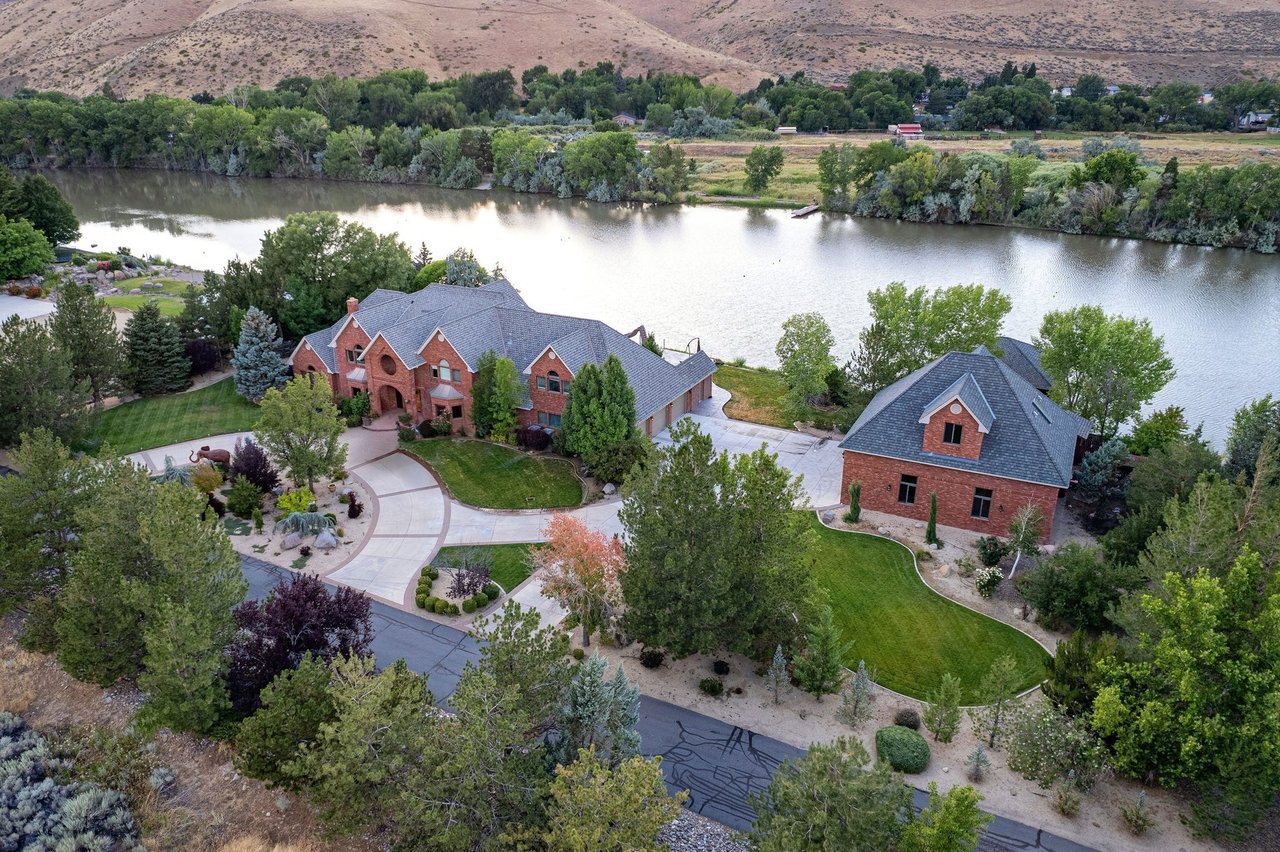
The Hidden Lakefront Estate

Real Estate
130 and 150 Juniper Hill | 6.76 Acres of Land with 14 Acres of Water Rights
Real Estate
The West Donner Lake Retreat
We are innovating real estate and advancing the way homes are sold and bought. We are rooted in our community heritage and relationships and grounded in sleek, custom and modern marketing.
BENNA MOUNTAIN LUXURY
13945 S. Virginia St. #606 Reno, NV 89511 5301 Kietzke Ln #200 Reno, NV 89511