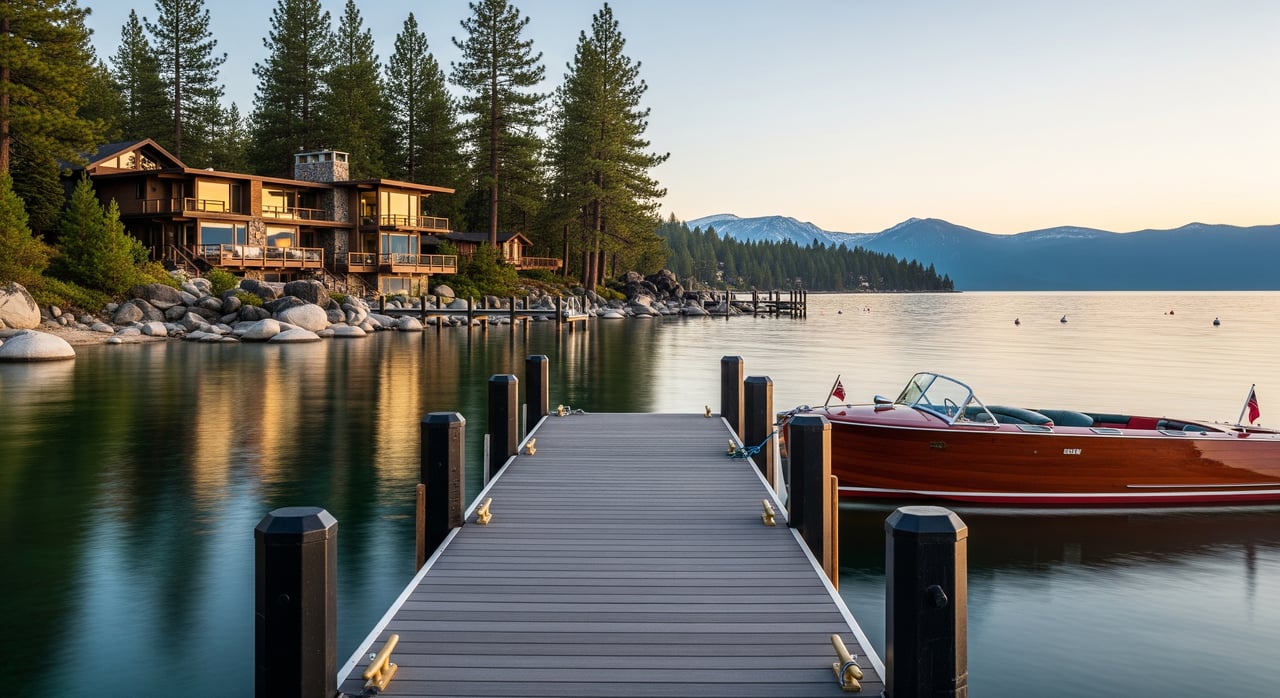
Tahoe City Days: Dockside Mornings To Forest Nights
February 10, 2026
February 10, 2026
If your perfect day starts with quiet ripples on a mountain lake and ends under a sky full of pines, Tahoe City may already be calling you. You want to know what life here actually feels like across seasons before you start scrolling listings. In this guide, you’ll step into a day in Tahoe City, see how summer and winter shape your routine, and match those rhythms to the types of homes that work best. You’ll also find a practical checklist to help you verify key details before you buy. Let’s dive in.
Tahoe City sits on Lake Tahoe’s North Shore in Placer County at roughly 6,225 feet. The elevation and mountain climate shape everything from how you drive in winter to how you care for a roof or driveway. You’ll feel four distinct seasons here, with hot, bright summers, crisp shoulder seasons, and snowy winters that can turn the town into a postcard.
Regional access is straightforward once you know the routes. California State Routes 28 and 89 link the North Shore communities, and the downtown core is walkable for coffee, the marina, and errands. Most residents still rely on a car for daily life and for reaching larger employers or services. Reno‑Tahoe International Airport is the closest major hub, with Sacramento and Bay Area airports a longer drive. Public transit and seasonal shuttles operate in the North Lake Tahoe area, though frequency and routes vary by season.
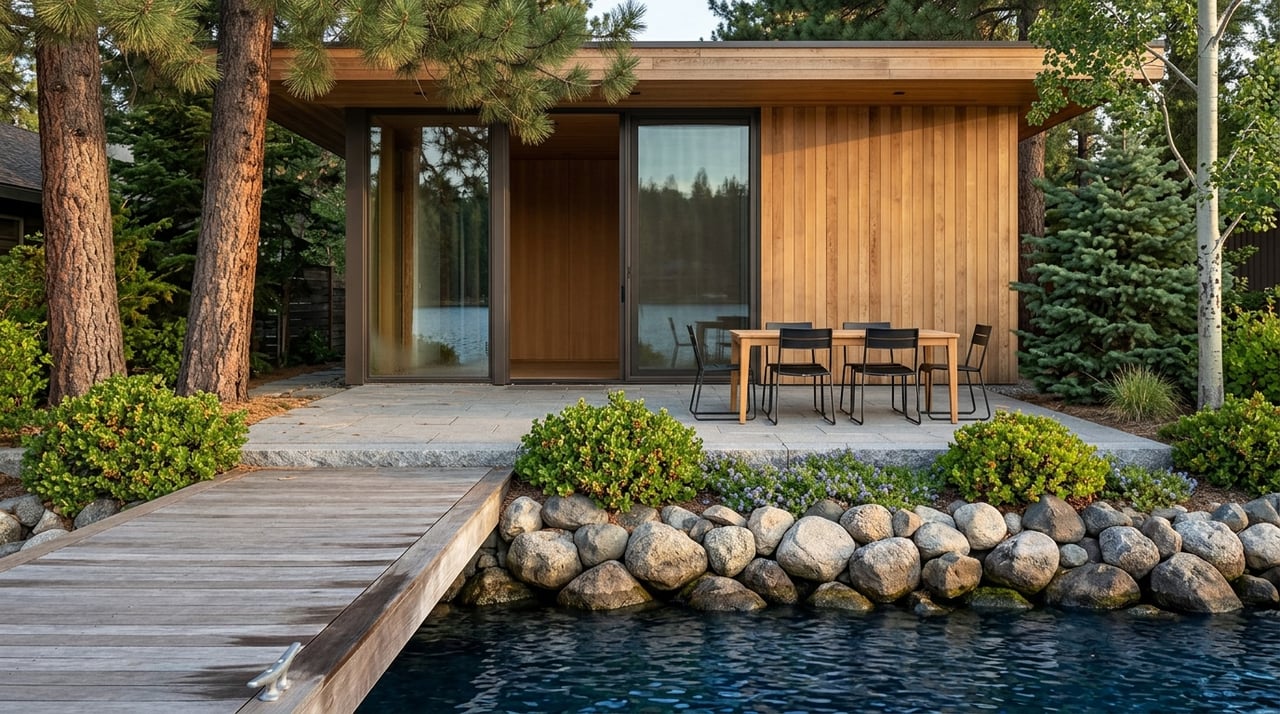
Sunlight hits the lake early, and calm water often makes the morning the best time to be near it. You might grab a coffee and stroll the lakeside paths near Commons Beach or the marina, watch paddleboarders launch, or cast a line in the early season. The air smells like sun-warmed pine and fresh water, and the town feels unhurried.
Local cafés, bakeries, and marina facilities make a simple routine easy. If you live near the downtown and marina core, you can walk to most of it. In peak summer weekends, parking can be tight near the beach and marina, so being on foot is a plus. In quieter shoulder seasons, you get the same beauty with fewer people.
Once the sun is up, a network of bike and multi‑use paths connects neighborhoods, beaches, and trailheads across North Lake Tahoe. Paved lakeside routes are great for family rides and daily fitness, while nearby forested areas offer singletrack for more challenge. Shoulder seasons can mean cooler days, wildlife sightings, and less trail traffic.
In winter, Tahoe City puts you close to major North Shore ski areas within a short drive, along with cross‑country and nordic options. Mornings might start with scraping windshields and checking chain controls before chasing first chair. On storm days, your routine becomes tuning gear, timing the drive carefully, and planning a lodge lunch to warm up.
Summer brings farmers markets, public parks, recreation programs, and youth sports that concentrate activity in town. You’ll find a full schedule of community events when the days are long. In shoulder seasons, the pace softens, which many residents love.
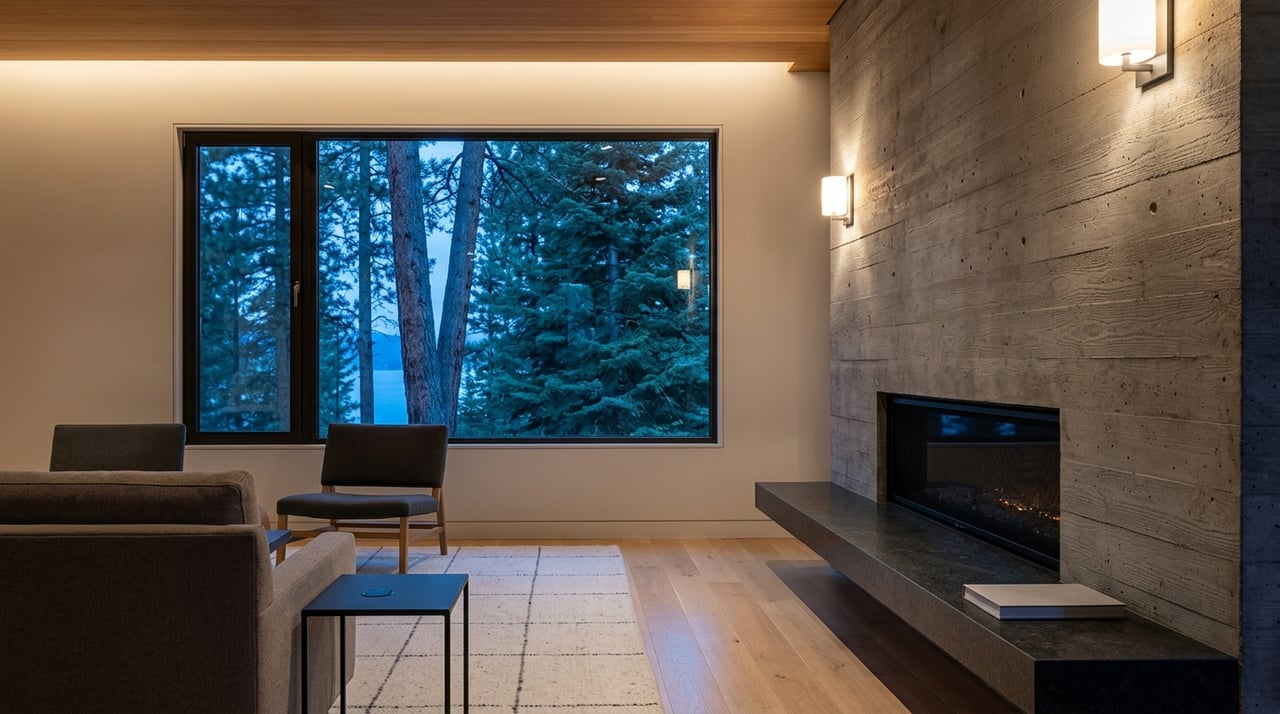
Evenings lean easy here. In summer, many people gather for lakefront dining and sunset views. On winter nights, the glow often shifts indoors to wood stoves and fireplaces that are common in area homes. If you plan to head downtown on peak summer or winter weekends, give yourself time for traffic and parking near Commons Beach and the marina. Quieter months let you slip into a slower rhythm.
If your dream morning starts on foot, this lifestyle fits. You get quick access to coffee, restaurants, lakeside paths, and the marina with lower maintenance than a single‑family home. Many of these buildings have HOA‑managed amenities. The tradeoffs are HOA fees, potential for limited parking, and a higher density of vacation rentals in tourist areas.
If you want tall trees, privacy, and room for a firepit or garden, look a short drive from downtown. These neighborhoods deliver a mountain‑living feel and can work well for year‑round living. The tradeoffs are higher maintenance, from snow clearing to driveway and roof care, and sometimes longer trips into town.
Amenity‑focused neighborhoods in the broader North Lake Tahoe and Truckee area offer golf, pools, and clubhouses. Landscapes and services are more predictable. The tradeoffs include HOA rules and fees and, often, a location farther from the lake and Tahoe City’s core. Not all of these communities are within Tahoe City proper, so map your daily routine carefully.
For direct access to water and views, lakefront and other premium homes offer the top tier experience. Inventory is limited and pricing reflects that scarcity. You should plan for premium taxes and assessments, shoreline and regulatory limits, and potentially higher insurance and maintenance costs given exposure.
Interest in short‑term rentals has been strong in parts of North Lake Tahoe, and the rules continue to evolve. Before you buy, verify current permitting, registration, and local limits on short‑term rentals with Placer County and the Tahoe Regional Planning Agency. Plan for transient occupancy tax obligations if you intend to rent.
This is a high‑cost market compared with many inland California communities, and pricing varies by property type, lake access, views, and condition. Inventory often runs seasonal, with tighter competition in popular months. For current pricing, use local MLS and Tahoe Regional Board of Realtors data.
Property taxes in California follow Proposition 13, so plan for a base tax near 1 percent of assessed value plus any parcel assessments. If you buy into an HOA, add monthly dues. Utilities, snow removal, driveway maintenance, and wildfire mitigation are recurring costs you should budget for.
Insurance is a key factor. Wildfire risk can affect premiums and availability, and some lakeside properties also face unique shoreline rules and localized flood considerations. Review CAL FIRE resources, local fire district requirements, and FEMA flood maps where relevant. Ask insurers about defensible space and fire‑resistant retrofits that may qualify for discounts.
Connectivity and utilities vary by neighborhood. Broadband and cell service are generally strong in town centers and can be spotty in forested, higher‑elevation areas, so verify if remote work matters to you. Water and sewer are widely available, but some parcels may have different arrangements that require confirmation with Placer County and local utility districts.
Winter readiness is part of life here. Heavy snows are common, and chains or traction tires are frequently required during storms on mountain highways. Check driveway grades, parking options, who is responsible for snow removal, and whether your road is county‑maintained or private.
Before you fall in love with a deck view or a dock, line up the practical details:
Life in Tahoe City changes with the calendar. Summer is lake‑ and trail‑focused with more visitors in town and a full menu of events. Winter centers on snow sports, from alpine laps to nordic trails, and it requires a plan for property winterization and vehicles. Shoulder seasons bring more solitude, cooler weather, and sometimes limited services, which many owners appreciate for the quiet.
Tahoe City rewards anyone who loves morning light on the water and evenings tucked into the forest. If you are exploring a move or a second home, visit in more than one season and walk your day the way you plan to live it. When you are ready to match your lifestyle to a neighborhood and a property, schedule a conversation with JB Benna for concierge‑level guidance.
Real Estate
The Verdi Villa
Real Estate
Golf Course Living in the Heart of Somersett
Real Estate
We are innovating real estate and advancing the way homes are sold and bought. We are rooted in our community heritage and relationships and grounded in sleek, custom and modern marketing.
BENNA MOUNTAIN LUXURY
13945 S. Virginia St. #606 Reno, NV 89511 5301 Kietzke Ln #200 Reno, NV 89511