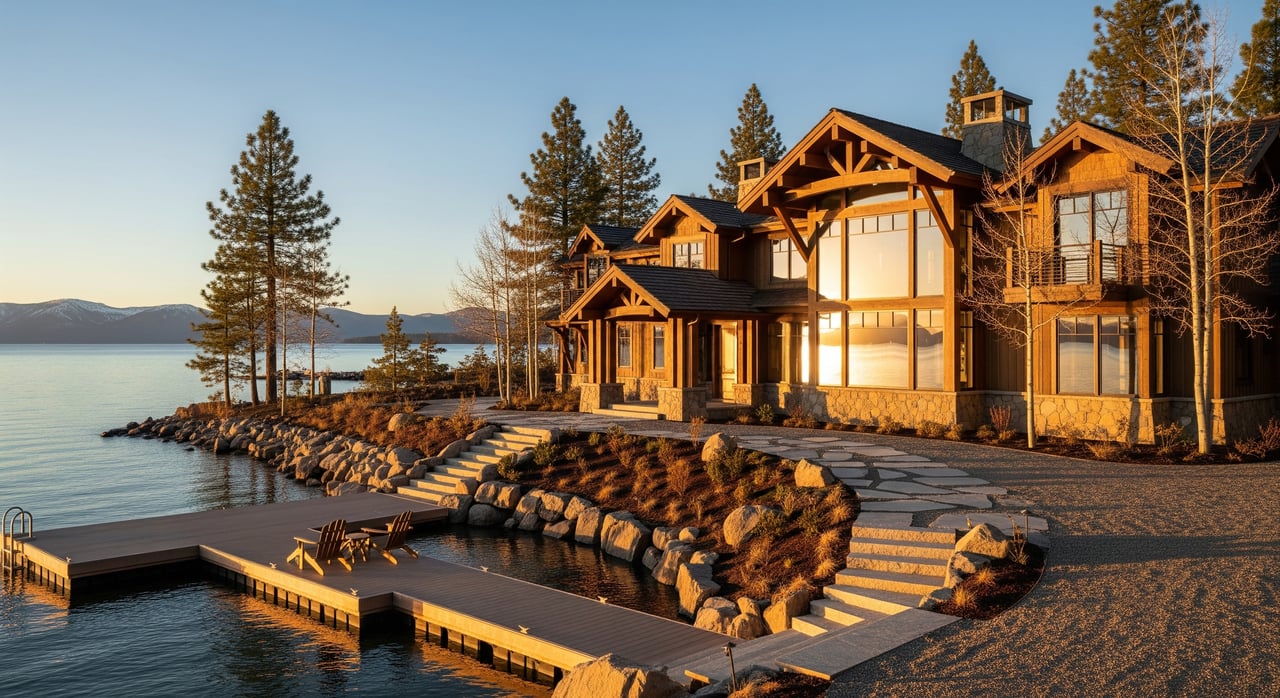
Title Insurance Basics For Tahoe Buyers
December 11, 2025
December 11, 2025
Buying in Stateline should feel exciting, not uncertain. Yet around Lake Tahoe, hidden title issues can lurk behind beautiful views and private roads. You want to protect your equity and avoid last‑minute surprises. This guide explains the basics of title insurance, the local risks unique to Douglas County and the Tahoe basin, and the practical steps that help you close with confidence. Let’s dive in.
Title insurance protects you against financial loss from hidden defects in a property’s ownership records that existed before you bought. It is different from home insurance, which covers future physical damage.
You pay a one-time premium at closing. Typical covered risks include forged or fraudulent deeds, undisclosed heirs, recording errors, and certain undisclosed liens or easements. Title insurance does not cover zoning or building-code violations, future land-use changes, or anything specifically excluded in your title commitment.
Stateline sits in Douglas County on the Nevada-California border. Properties near the line can involve cross-border considerations and shared infrastructure. Always confirm which jurisdiction governs the parcel and access.
The Tahoe basin has added oversight from the Tahoe Regional Planning Agency (TRPA). TRPA rules can affect land coverage, shorezone use, and permitted development. These limits often show up as recorded restrictions or permit conditions in title documents.
Nevada is a community property state. If you are married or buying with a spouse, vesting language matters. Work with your title officer and, if needed, legal counsel to confirm correct vesting on the deed.
Open title and escrow. Your lender or agent orders title and opens an escrow file with a licensed title company.
Title search. The examiner reviews county records for deeds, liens, easements, plats, court judgments, and tax status. In the Tahoe basin, expect checks for TRPA-related documents as well.
Title commitment. You receive a preliminary report listing the current owner, legal description, and all exceptions to coverage that must be cleared or will remain.
Clear issues. The seller and title company work to resolve liens, unreleased mortgages, and any chain-of-title defects, or they are left as exceptions.
Closing and policy. Once cleared, you close and the title company issues your lender’s policy and, if you chose it, your owner’s policy.
Routine items often resolve at or before closing. Title can record releases, pay off liens through escrow, or obtain corrective or quitclaim deeds. For priority issues, you may see subordination agreements or estoppel certificates.
Complex disputes, like competing ownership claims, may require quiet title litigation. That can take months or longer, so build in time if your commitment shows unresolved claims.
Endorsements add targeted protection. Ask your title officer about:
Surveys are especially valuable in mountain neighborhoods with irregular lots, steep terrain, and improvements near lot lines. An ALTA/ACSM boundary survey can reveal encroachments from decks, retaining walls, or fences. Title insurance does not automatically insure exact boundary lines without a survey or related endorsement.
Customs vary. Buyers often pay for the lender’s policy. Who pays for the owner’s policy depends on local practice and negotiation. Confirm with your agent and escrow officer and specify allocation in your purchase contract.
Title insurance is a single premium paid at closing. Rates and any endorsement fees are set at the state level, so obtain a quote from your local title company for your Douglas County purchase. Survey costs and any legal or curative fees are separate and can vary with terrain and complexity.
A title search and commitment typically take a few days to a couple of weeks. Routine curative items like paying off a lien or obtaining a release can fit within a standard closing timeline. Complex claims, probate issues, or quiet title actions may extend your closing by months.
Buying at Tahoe blends lifestyle and legacy. With the right title strategy, you protect both. If you want help navigating TRPA documents, survey needs, and the finer points of vesting and endorsements, we are here to guide you to a smooth close.
Ready to talk through your Stateline purchase plan? Reach out to JB Benna to Schedule a Concierge Consultation.
Mountain Living
How One Conversation Led to a New Life in Somersett and a Shared Vision for Serving Others
Lake Life
The Hidden Lakefront Estate

Real Estate
130 and 150 Juniper Hill | 6.76 Acres of Land with 14 Acres of Water Rights
Real Estate
The West Donner Lake Retreat
We are innovating real estate and advancing the way homes are sold and bought. We are rooted in our community heritage and relationships and grounded in sleek, custom and modern marketing.
BENNA MOUNTAIN LUXURY
13945 S. Virginia St. #606 Reno, NV 89511 5301 Kietzke Ln #200 Reno, NV 89511