What if the first 10 seconds of your listing film could make a buyer feel the lake breeze from their screen? In Incline Village, buyers choose with their eyes first, and the right staging and visuals can turn interest into strong offers. According to the National Association of REALTORS, staging and rich media like photos, videos, and virtual tours influence buyer behavior and perceived value. This guide gives you a clear, step-by-step plan to stage and film your home so it launches like a cinematic event. Let’s dive in.
Why presentation matters here
Incline Village buyers care about lifestyle, views, and craftsmanship. The way you frame the lake, show outdoor access, and highlight interior detail can shape traffic and price. National research shows that buyers and agents rank photos, videos, and virtual tours among the most valuable listing assets, and that strategic staging supports better outcomes. Use that insight to direct your time and budget where it will have the most impact.
Pre-listing staging checklist
Set yourself up 2 to 4 weeks before launch so your photos and film read as premium.
1) Repairs that show pride of ownership
Fix what buyers notice first. Address peeling paint, sticky doors, loose balusters, and weather-stained decking. Tackle obvious maintenance before spending on decor so every frame feels move-in ready.
2) Declutter and depersonalize
Remove family photos and personal collections. Clear kitchen and bathroom counters so surfaces and flow feel open. Edit shelves and simplify art for calm, editorial rooms.
3) Deep clean and window care
Clean all glass to make lake and tree lines pop in photos. Replace or remove damaged screens that soften the view. Wipe fixtures, rails, and switch plates so closeups hold up on camera.
4) Small, high-return updates
Use fresh, neutral paint in high-impact zones like the living room and kitchen. Swap dated hardware for simple, modern pieces. Add healthy, real plants and soft linens to warm the space without clutter.
5) Prioritize the rooms that sell
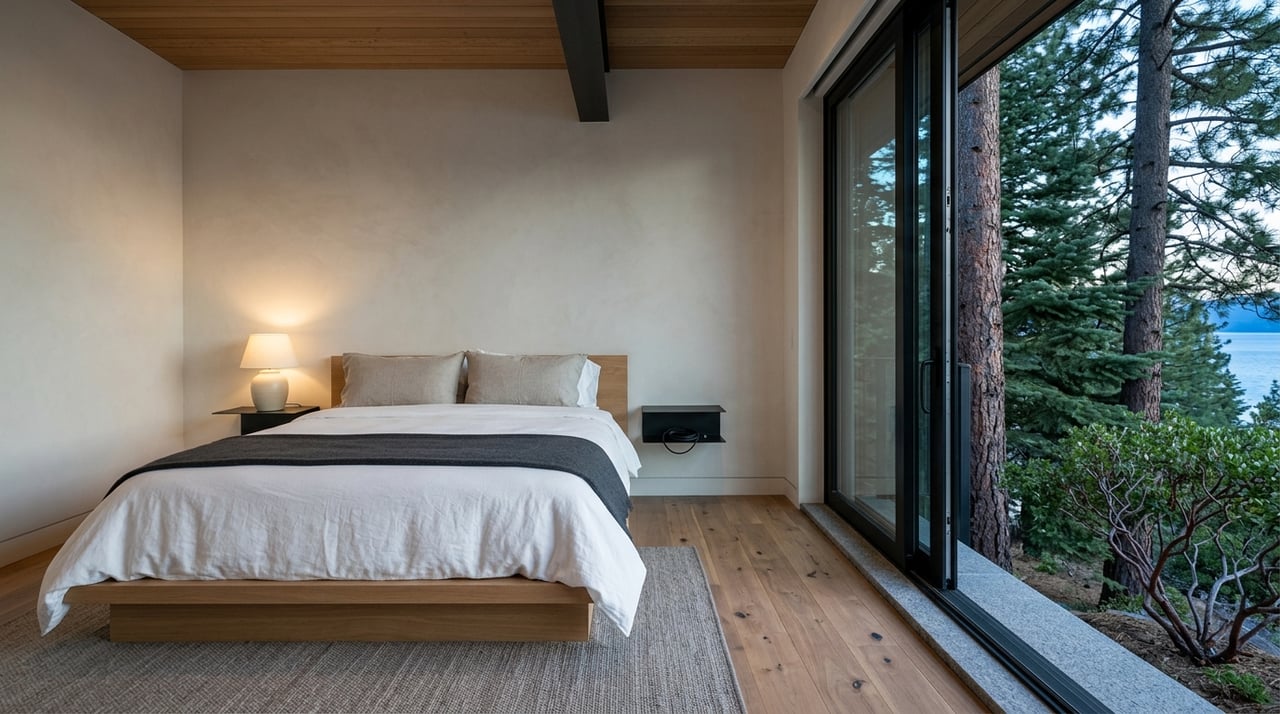
Focus professional staging on the living room, kitchen, and primary bedroom. Research from the National Association of REALTORS confirms these rooms rank as the most important to stage for buyers and agents. Use your stager’s inventory where it will drive the most attention and emotion.
Stage for lake and mountain living
Frame the view
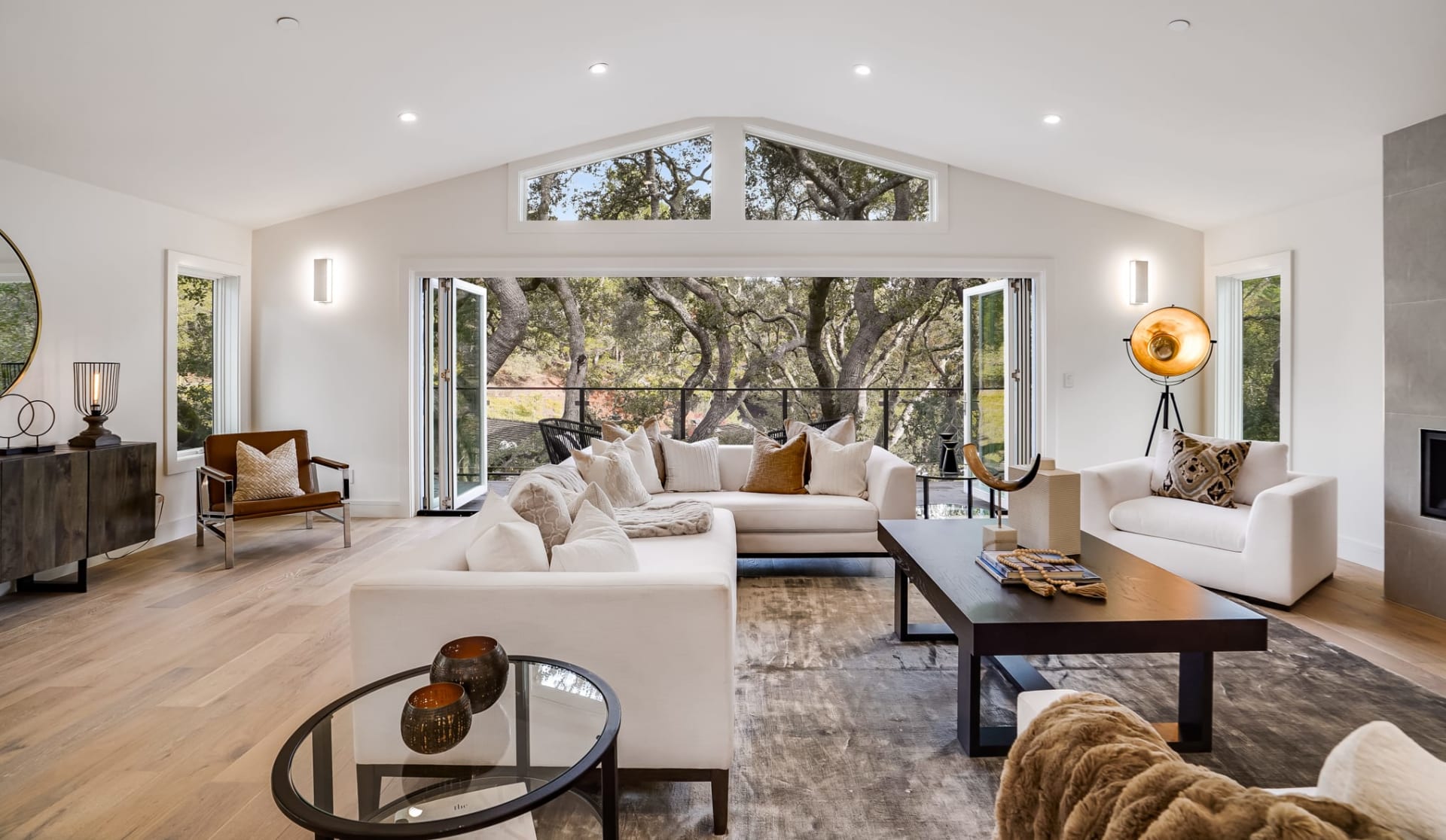
Arrange main seating to face the lake or tree tops. Pull furniture away from windows, and choose low-profile pieces that keep sightlines open. Remove heavy drapery or stack it wide so glass reads large.
Bring the outdoors in
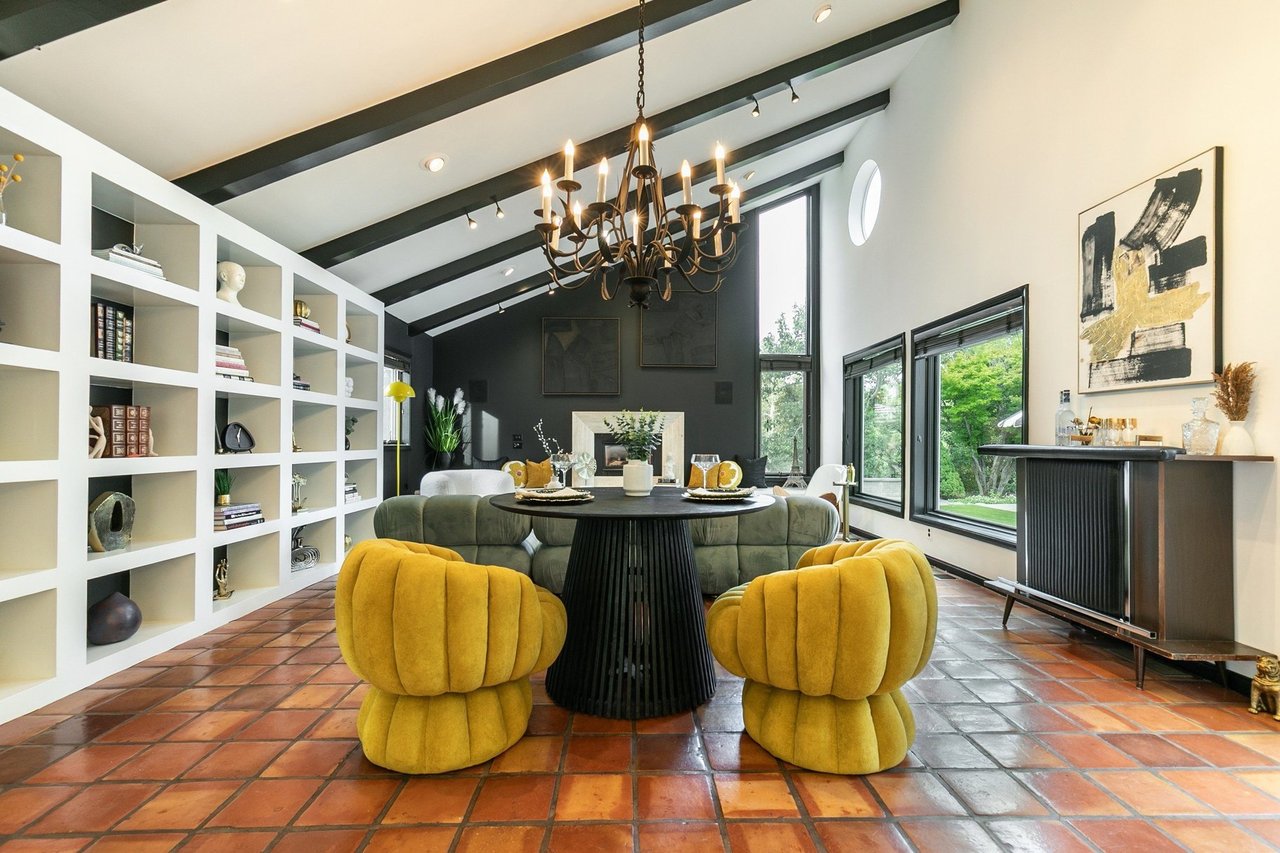
Use natural textures that feel local, like linen, woven baskets, and simple wood accents. Keep color palettes calm so water, sky, and timber details stay the stars. Avoid faux greenery that photographs flat.
Make outdoor rooms count
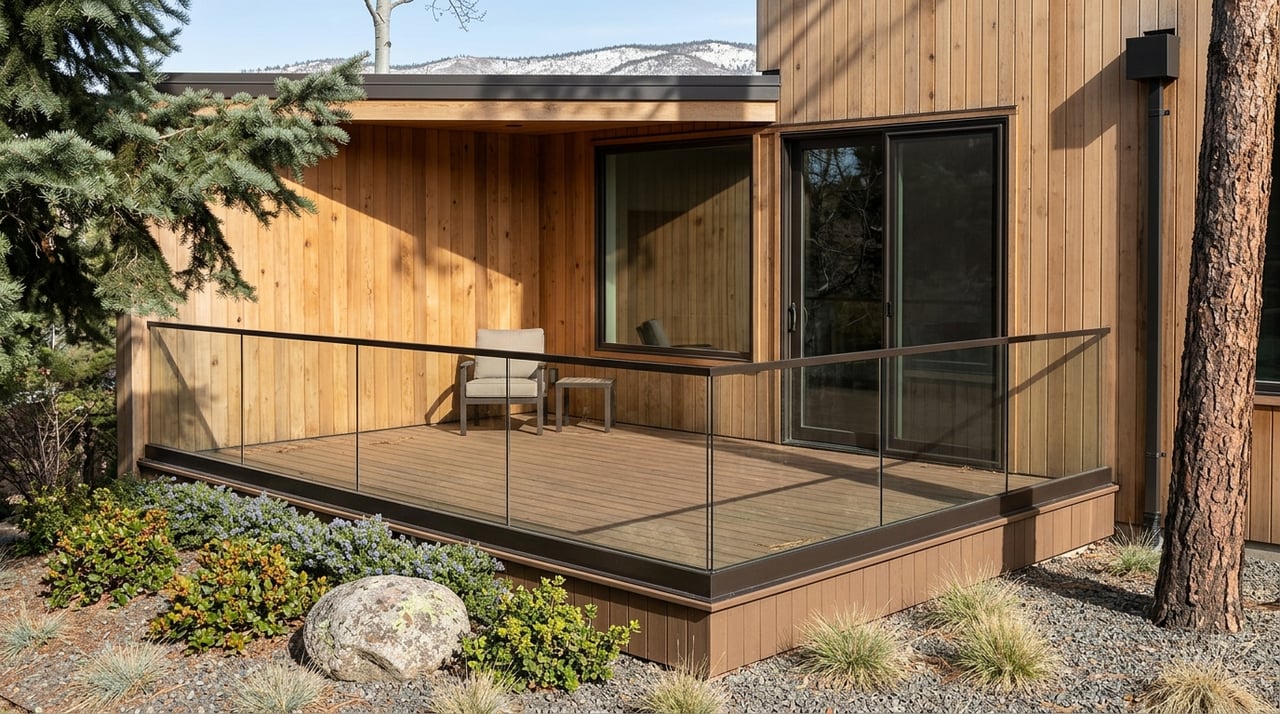
Set the deck as a destination. Style a dining table, place an understated lounge setup, and add plush throws for morning coffee scenes. If you plan to show kayaks or paddleboards, use only items you own or have written permission to display.
Plan for the season
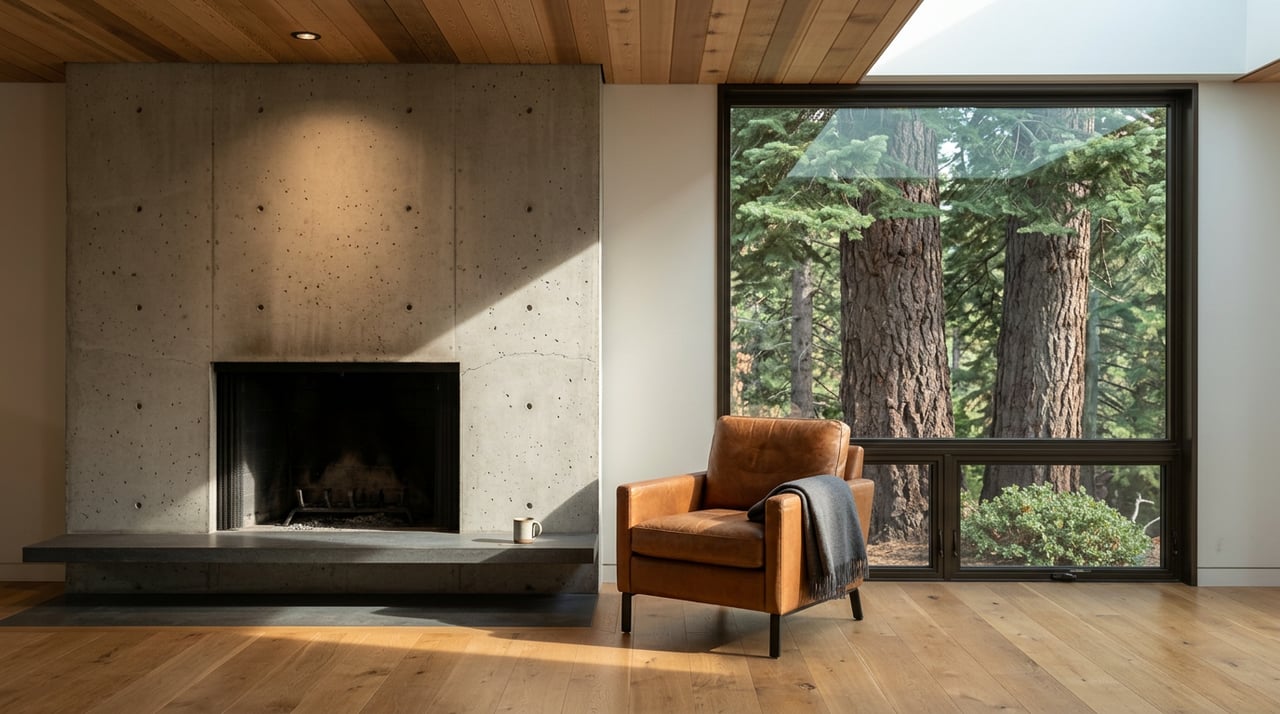
In warm months, highlight clean decking, staged outdoor dining, and late-day light. In winter, clear snow, stage a cozy fireplace moment, and make sure all paths are safe and visible. Build extra time for weather and rescheduling.
Your cinematic production plan
A simple plan keeps you on schedule and protects quality from prep through delivery.
Timeline to launch
- 2 to 3 weeks before: complete contractor repairs, finalize staging plan, book stager.
- 7 to 10 days before: stager installs furniture and styling. Confirm your photo and video team, plus any permits for public-land scenes or drone work.
- 1 to 2 days before: deep clean, polish windows, hide cords, and walk the shot list with your photographer or videographer.
- Photo day: shoot interiors mid-day for bright, even light. Capture exteriors at golden hour and blue hour. Fly drone only when permitted and wind is low.
- Post-production: expect edited photos within 2 to 3 days, and video within 5 to 14 days depending on scope.
Plan for light
- Golden hour is ideal for exterior, deck, and lakeside scenes. It typically runs 20 to 60 minutes before sunset.
- Blue hour begins just after sunset and creates dramatic twilight images with interior lights on.
- Use a planner to time your shoot to the sun and season. Learn more about golden hour and blue hour in this overview from PhotoPills.
Core shot list
Photos (20 to 40 images)
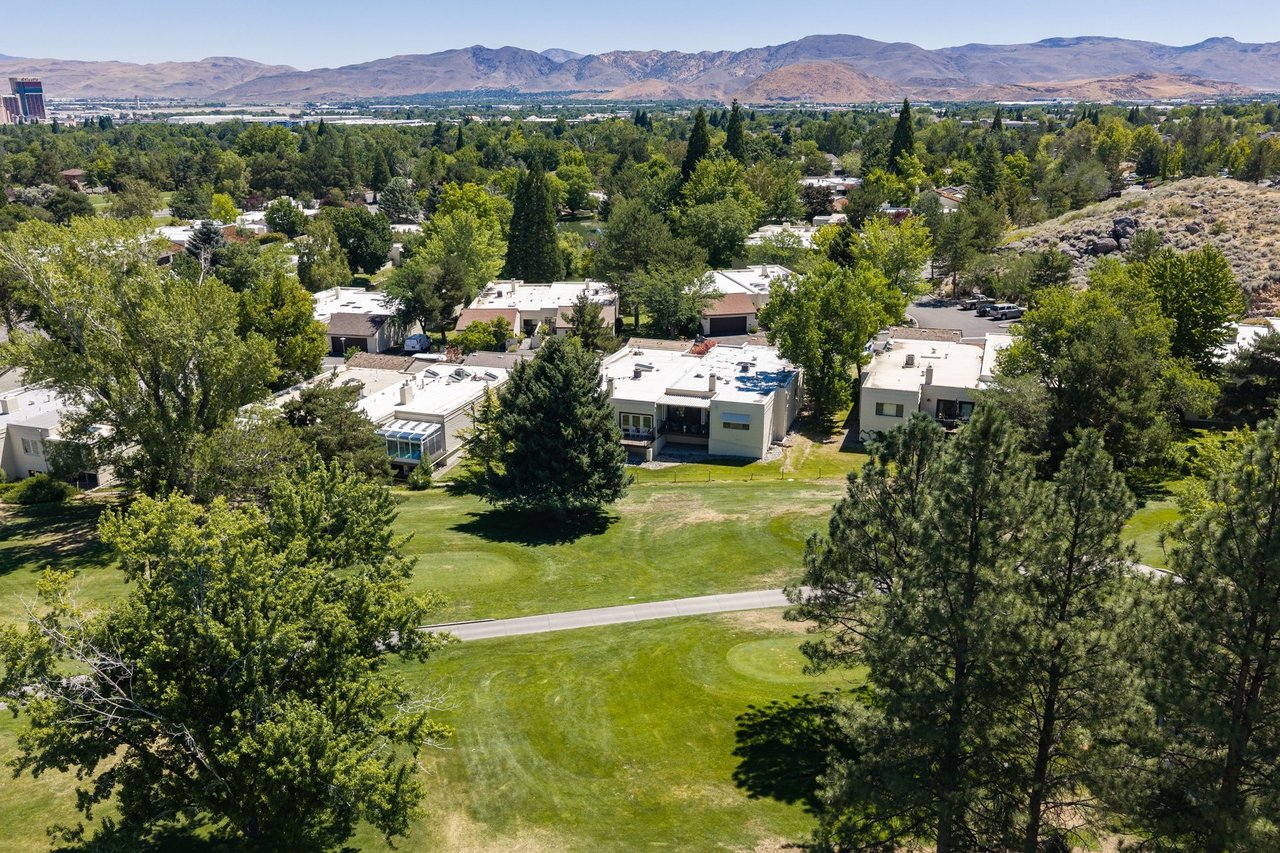
- Aerial hero that shows the property in relation to the lake.
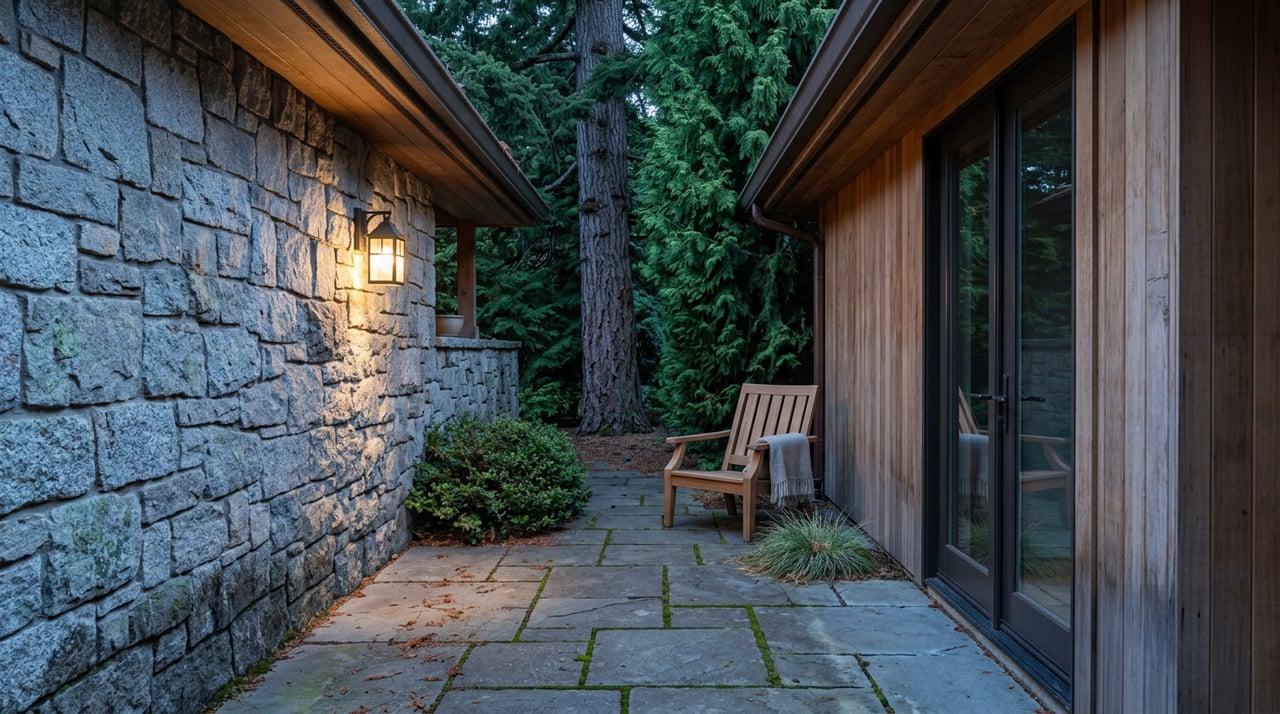
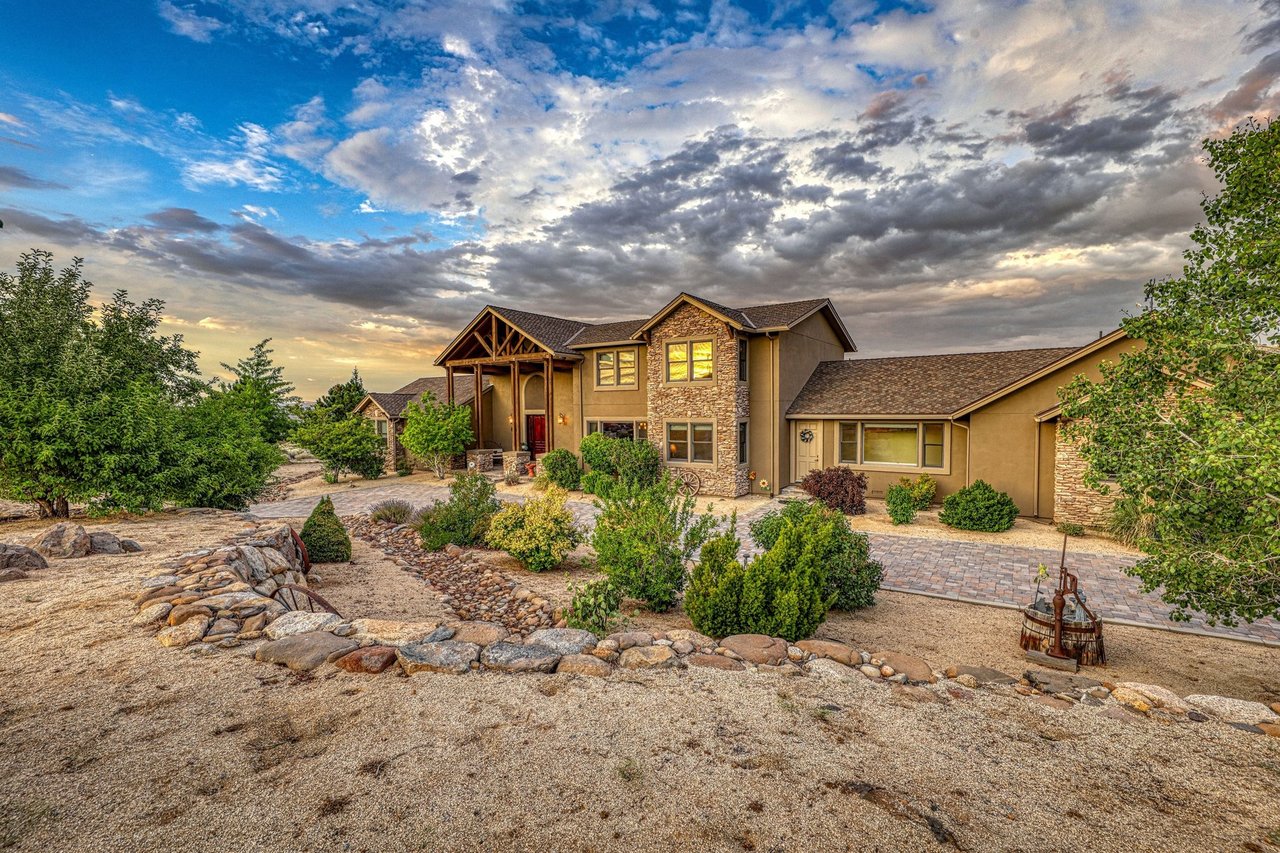
- Approach and entry sequence with landscaping.
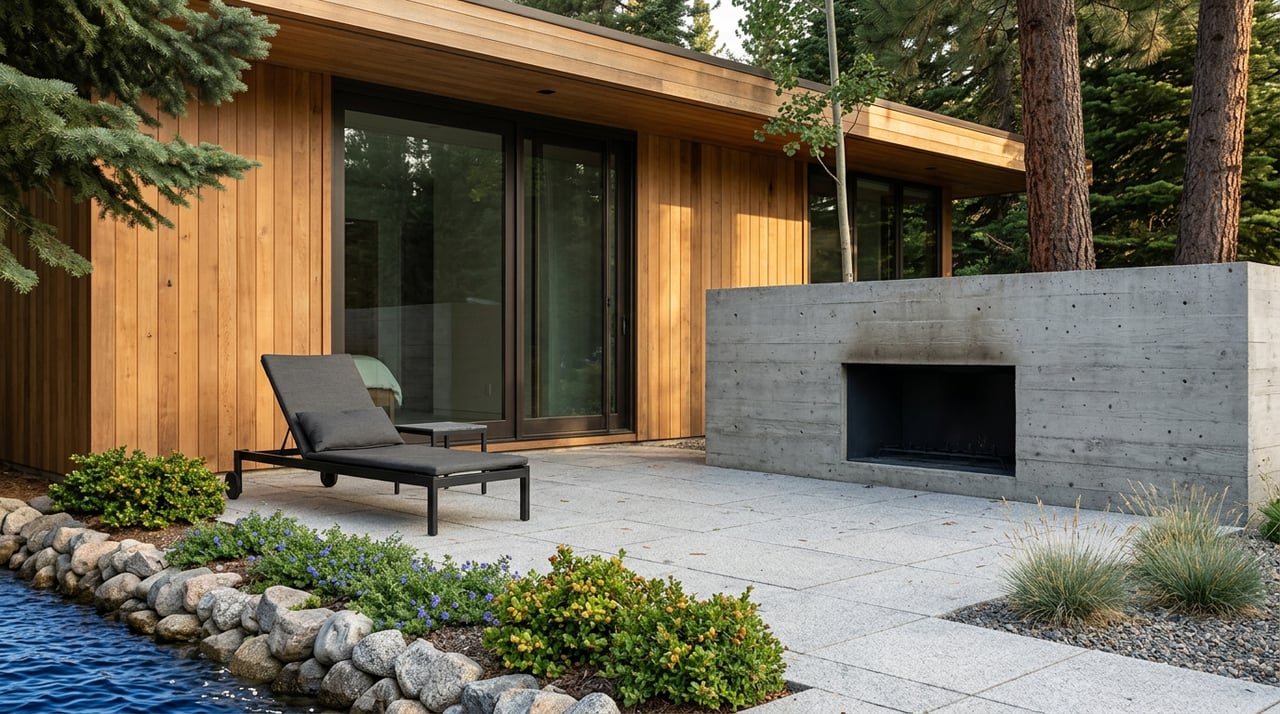
- Deck or terrace hero at golden hour.
- Living room, kitchen, primary bedroom, primary bath, and key bonus spaces.
- Details that prove quality like beams, stonework, and custom millwork.
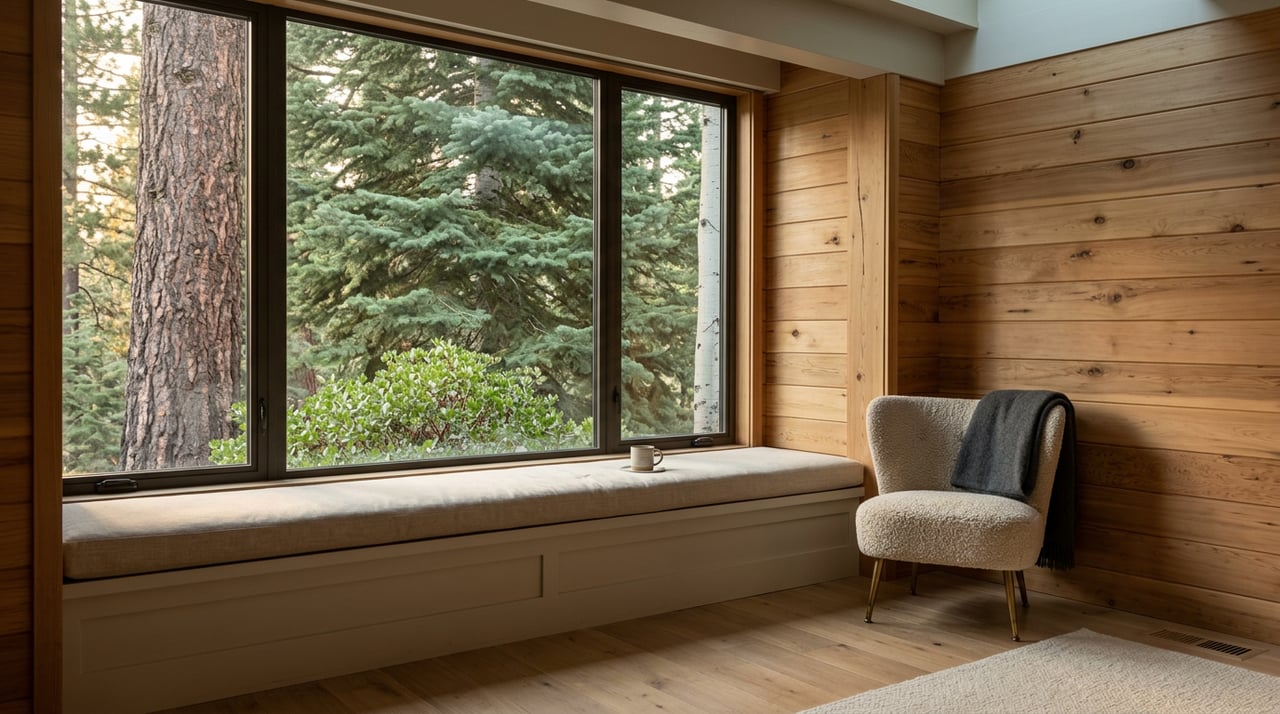
- Lifestyle vignettes such as staged dining, morning coffee on the deck, or a reading spot by the fire.
Video
- Teaser cut, 15 to 30 seconds, vertical for social.
- Cinematic walkthrough, 60 to 90 seconds, horizontal, with aerial open, smooth interior flow, cutaways to craftsmanship, and an outdoor lifestyle close.
Aerial
- 30 to 60 second montage plus several high-resolution stills. Confirm permit and pilot credentials.
Virtual/3D
- Matterport or similar 3D tour and a measured floor plan for remote buyers. National data shows immersive media aligns with buyer preferences and helps listings stand out. See NAR’s staging profile.
Filming tips that sell the lake
- Lead the eye to water. Use doorways, hallways, and elevated deck angles that reveal the lake naturally.
- Capture transitions. Show the moment you step from living room to deck to make indoor and outdoor feel connected.
- Tell the craft story. Short cutaways of joinery, stone, and lighting add credibility.
- Watch wind and water. Early mornings and some sunsets have calmer surfaces and better reflections.
Permits, privacy, and music
Drones and airspace
Commercial drone flights for listings fall under federal rules. Use an FAA-certified Part 107 pilot who can handle airspace approvals and Remote ID. Review FAA guidance on Remote ID and Part 107 airspace authorizations.
State parks and federal lands
If you plan to film at Sand Harbor or other Nevada State Parks, you need a permit and insurance. See Nevada State Parks photography and filming permits.
For National Forest lands around Lake Tahoe, commercial filming requires a special-use authorization from the Lake Tahoe Basin Management Unit. Start early. Learn more at the USFS LTBMU permits page.
Practical tip: If you only need to show proximity to a public amenity, consider using licensed stock or agent-owned footage to avoid long permit timelines.
Releases and music rights
- Get model releases for anyone on camera and written permission for any property used beyond the listing itself. Here is a plain-English overview of model releases from PhotocopyrightLaw.
- Use only music cleared for commercial use. Safe options include the YouTube Audio Library tracks marked for commercial use and reputable subscription libraries. Review this creator guide to safe music sources.
Budgeting and vendor selection
What to ask a stager
- Do you have portfolio examples of lake or mountain homes?
- Which rooms do you recommend staging for the biggest impact and why?
- What is the exact rental list, install date, and removal date?
- What is your rescheduling and cancellation policy?
- Are you insured, and how do you handle accidental damage?
- Can you provide references from local agents or sellers?
What to ask a photo and video team
- Can I see recent Tahoe or lake-adjacent work, including twilight exteriors?
- Who is the drone pilot, and can you provide Part 107 credentials and insurance?
- What are the license terms for MLS, broker sites, and social channels?
- What are the exact deliverables, formats, and timelines?
- How do you plan around weather and light windows for my address?
- Will you secure needed permits for any public-land scenes?
Recommended deliverables package
- 20 to 40 edited photos, including at least one twilight.
- Aerial stills and one 30 to 60 second drone montage.
- A 60 to 90 second cinematic horizontal film plus a 15 to 30 second vertical cut.
- Matterport or similar 3D tour and a floor plan.
Pricing guidance
National surveys suggest staging spend varies widely and often pays back, especially for higher-value lifestyle properties. Use national benchmarks from NAR and industry case studies from RESA as guardrails, then get 2 to 3 local quotes for precise budgets. See NAR’s staging report and RESA insights on ROI.
Two cinematic listing concepts
Concept 1: Sunset Entertainer
- Mood board cues: warm deck lighting, low fire feature, linen table runner, glassware, blues and coppers, calm water.
- Shot list: aerial approach to exterior with lake reveal, slow push through great room to sliders, deck dining at golden hour, detail of stone fireplace, primary suite window view, twilight exterior with interior glow, final drone rise to cobalt lake.
- Notes: stage simple place settings, keep table decor low for unobstructed views, prep exterior sconces and interior lamps for twilight.
Concept 2: Winter Cozy Retreat
- Mood board cues: stacked firewood, wool throws, steam rising from a hot tub, warm lamps, leather and wood textures.
- Shot list: establishing aerial over snowy pines, entry approach with cleared path, living room fireplace scene, detail shots of wood joinery and hardware, mug on a window ledge with snow outside, hot tub steam in blue hour, night exterior with soft snow glow.
- Notes: schedule snow removal, add subtle greenery, and keep safety first for crew and gear.
Final prep checklist
- Confirm all repairs are complete and touch up paint where needed.
- Stage and style priority rooms, then walk the space for cord and clutter removal.
- Clean windows and glass rails one last time.
- Share a printed shot list and timeline with your team.
- Set golden hour and blue hour targets with backup dates for weather.
- Gather permits, model releases, and proof of insurance.
Ask your listing team
- Who owns the creative direction and shot list so we stay on story and on schedule?
- How will you frame the lake and indoor to outdoor flow in photos and film?
- Which three rooms will you stage most heavily and why?
- Who is the FAA-certified drone pilot, and will you manage permits and airspace approvals?
- What are the exact deliverables, formats, and delivery dates I should expect?
- How will you adapt if weather shifts on our target twilight window?
Partnering with a production-first team
You get one chance to make a first impression. With a clear plan, focused staging, and a production schedule built around light, your Incline Village home can launch with the emotion and clarity high-end buyers expect. If you want a team that handles the creative direction, staging logistics, permits, and cinematic execution for you, our in-house studio is built for this. To map your timeline and deliverables, reach out to JB Benna to Schedule a Concierge Consultation.
FAQs
What rooms should I stage first for an Incline Village sale?
- Focus on the living room, kitchen, and primary bedroom, which research identifies as the most important rooms to stage for buyers and agents.
Do I need a permit to film at Sand Harbor or other Nevada State Parks?
- Yes, commercial photography and filming in Nevada State Parks require a permit and insurance, so contact the parks office early and plan lead time.
Can I use a drone for my listing near Lake Tahoe?
- Yes, if you use an FAA Part 107 certified pilot who complies with Remote ID and secures any required airspace authorizations.
How long does a cinematic listing launch take from start to finish?
- Plan 2 to 4 weeks for prep and staging, 1 to 2 shoot days, and up to 2 weeks for final video, with photos typically delivered within a few days.
What deliverables should I request from my media team?
- Ask for 20 to 40 edited photos with twilight, aerial stills and a short drone montage, a 60 to 90 second film, a vertical teaser, and a 3D tour with floor plan.
How should I budget for staging and production?
- Use national benchmarks from NAR and RESA as guides, then get 2 to 3 local quotes; line items typically include staging, photography, twilight, drone, video, and 3D tour.