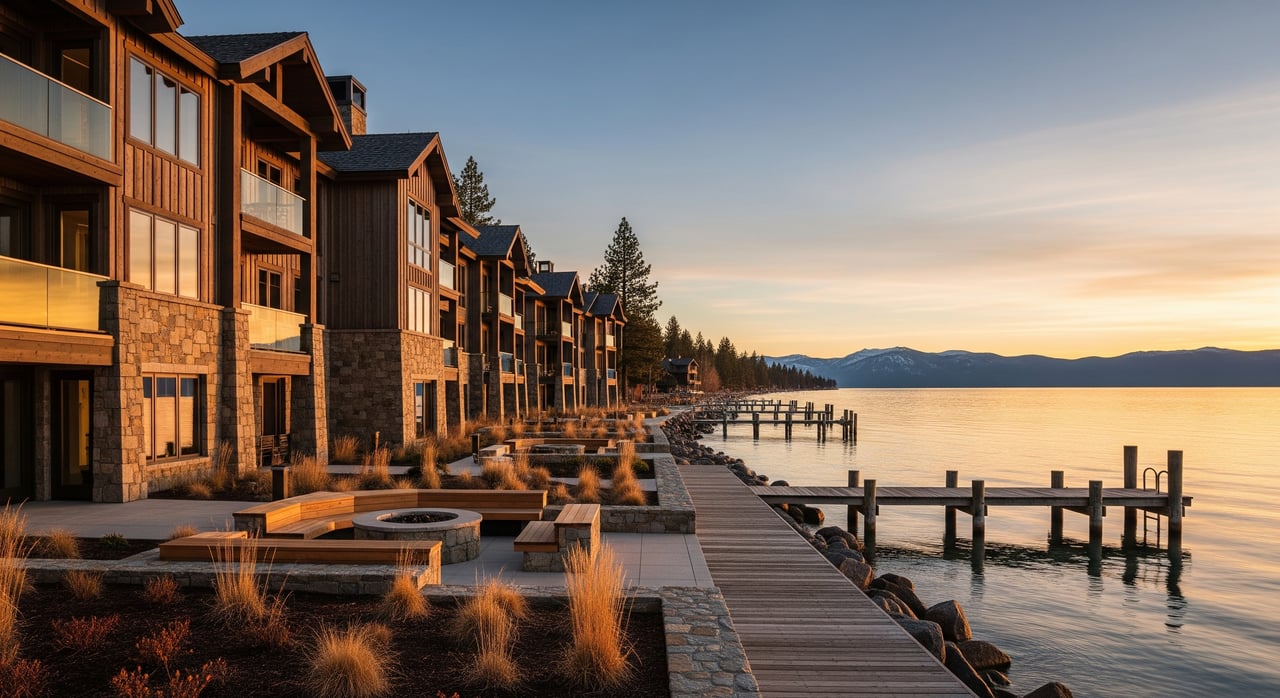
HOA Fees in Lake Tahoe: Kings Beach Guide for Owners
Buyer November 27, 2025
Buyer November 27, 2025
Are HOA fees in Kings Beach a mystery line item in your budget, or a smart way to protect your investment? If you are considering a condo, townhome, or a home in a managed community near North Lake Tahoe, understanding dues is essential. You want clarity on what you are paying for, how stable the association is, and how mountain-specific costs show up in your monthly fees. This guide explains what HOA fees typically cover, how to read the documents, and the Tahoe factors that matter most so you can buy or sell with confidence. Let’s dive in.
HOA fees fund shared services, maintenance, insurance, and long-term planning in common-interest communities. In Kings Beach, you also see costs tied to snow, lake proximity, and wildfire readiness. While every association is different, most fees support some mix of the following:
Fees reflect what the HOA manages. Condos with shared roofs, stairs, parking areas, and amenities often have higher dues than single-family HOAs that maintain only private roads or limited landscaping. Lake-adjacent communities can see added costs for shoreline facilities, buoy fields, or enhanced liability insurance.
Tahoe winters can drive significant annual expenses. Snow removal, storage, and roof clearing can be a large part of the operating budget in Kings Beach. Associations that handle strong winter workloads or complex site access often set dues to ensure consistent service in peak storm cycles.
Some HOAs also fund wildfire mitigation and defensible-space programs. These efforts help reduce risk and protect the community, and they show up as line items in the annual budget.
Your monthly dues affect buying power and ongoing ownership costs. Lenders look beyond your personal finances to the HOA’s stability, so the budget, reserves, and delinquency levels may influence loan approval. A well-run HOA with solid reserves can support long-term property value and smoother resale.
If you plan to rent seasonally or short-term, HOA rules and county regulations matter. Some associations restrict or ban short-term rentals, while others add administrative costs to monitor compliance.
You should review the full association picture before closing. Ask for these documents early so you have time to evaluate:
Compare income and expenses and look for recurring deficits. If the HOA regularly taps reserves to cover routine costs, that is a warning sign. Consistent, well-documented operating assumptions suggest stability.
A current reserve study outlines big-ticket projects and recommended savings. The funded ratio compares money on hand to the study’s target for future needs. There is no one perfect number, but a recent study and a clear funding plan are positive indicators.
Ask for the delinquency rate and whether collections are trending up or down. High delinquency can shift costs to paying owners or trigger cash shortfalls. Strong collection policies reduce risk for all owners.
Review the history of special assessments and what they paid for. Frequent or abrupt assessments can signal weak planning. Check for any large projects on the horizon and whether reserves can handle them.
Confirm master policy limits for property and liability, plus fidelity bond coverage. Understand how deductibles work and whether owners can be assessed for part of a claim. If deductibles are high, consider loss assessment coverage on your own policy.
Open litigation can affect finances and insurance availability. Consistent professional management and organized records point to good governance. High board turnover or disputes can disrupt planning and budgeting.
Snow services are a major recurring expense in Kings Beach communities. Roof clearing, narrow site logistics, and snow storage or hauling can add up fast in heavy winters. Budget notes and past minutes help you gauge how the HOA manages big snow years.
Many associations fund vegetation removal, chipping, or inspections to reduce fire risk. These programs may be recurring and can scale up after dry summers. Expect to see them in the operating budget or as periodic assessments.
In the Tahoe Basin, environmental rules guide stormwater management and erosion control. Work near lakeshores or stream zones can require extra planning and cost. HOAs often schedule these projects on a multi-year timeline.
Water and sewer service in Kings Beach are often handled by a public utility district. Some HOAs include utilities in dues while others bill owners directly. Always confirm who pays which utilities so you can compare dues accurately.
Communities with docks, buoy fields, or private beaches carry added maintenance and insurance obligations. These amenities can elevate dues and may require future capital projects. Review reserve studies for shoreline repair plans.
If the HOA monitors or restricts short-term rentals, it may fund enforcement and administration. These costs can show up as line items or owner registration fees. Check rules and recent minutes for clarity.
Placer County requires short-term rental compliance in the Tahoe Basin, and HOAs can adopt stricter rules than the county. Some allow only longer leases, while others use caps, registration, or bans for short-term stays. If rental income is part of your plan, verify both county requirements and the HOA’s specific policies.
Before you rely on rental projections, confirm whether there are waitlists, moratoriums, or fines. Ask how the HOA enforces rules and whether there are additional fees tied to rentals.
Most associations insure common areas and building exteriors, but not your interior finishes or personal property. You will typically need an HO-6 for a condo or a homeowners policy for a detached home. Ask your insurer about loss assessment coverage, which can help if the HOA levies an assessment related to a covered claim or a large deductible.
Kings Beach includes small condo complexes, townhomes, and single-family neighborhoods with varying HOA scopes. Condos that maintain shared roofs, parking areas, and amenities usually carry higher dues than HOAs for detached homes that manage only roads or landscaping. Compare like-for-like properties and focus on what dues include, not just the monthly number.
If you want a clear, Tahoe-specific read on dues, reserves, and risk, partner with a local advisor who lives this market. We help you frame the right questions, request the right documents, and align your goals with the realities of mountain ownership. When you are ready, connect with JB Benna to Schedule a Concierge Consultation.

Mountain Living
How One Conversation Led to a New Life in Somersett and a Shared Vision for Serving Others
Lake Life
The Hidden Lakefront Estate

Real Estate
130 and 150 Juniper Hill | 6.76 Acres of Land with 14 Acres of Water Rights
Real Estate
The West Donner Lake Retreat
We are innovating real estate and advancing the way homes are sold and bought. We are rooted in our community heritage and relationships and grounded in sleek, custom and modern marketing.

BENNA MOUNTAIN LUXURY
13945 S. Virginia St. #606 Reno, NV 89511 5301 Kietzke Ln #200 Reno, NV 89511