Lakefront Vs Hillside: Choosing In Zephyr Cove
December 18, 2025
December 18, 2025
If you are torn between waking up with your toes in Lake Tahoe or sipping coffee above the treetops with a sweeping panorama, you are not alone. In Zephyr Cove, buyers often choose between two dream lifestyles: lakefront and hillside. Each offers something special, along with distinct rules, risks, and long-term costs. This guide gives you a clear, side-by-side view so you can decide with confidence. Let’s dive in.
Zephyr Cove sits on Nevada’s East Shore in Douglas County, offering direct access to beaches, boating, and the Highway 50 corridor. You can lean into a shoreline lifestyle or seek privacy and jaw-dropping views in the hills. Both settings sit within the Lake Tahoe Basin’s unique regulatory environment.
Two agencies shape what you can build and how you maintain property: the Tahoe Regional Planning Agency (TRPA) for Basin-wide environmental and shorezone rules, and Douglas County for planning, building, and local codes. Before you buy or remodel, review guidance from TRPA and Douglas County Planning & Building.
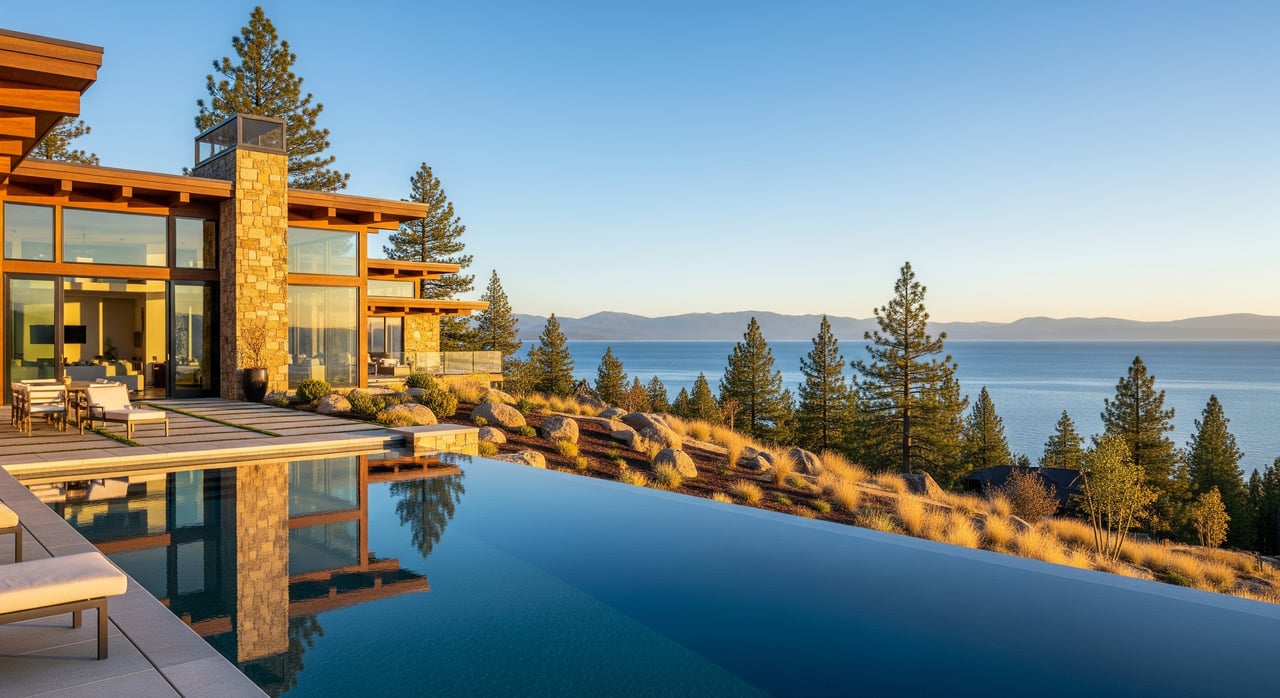
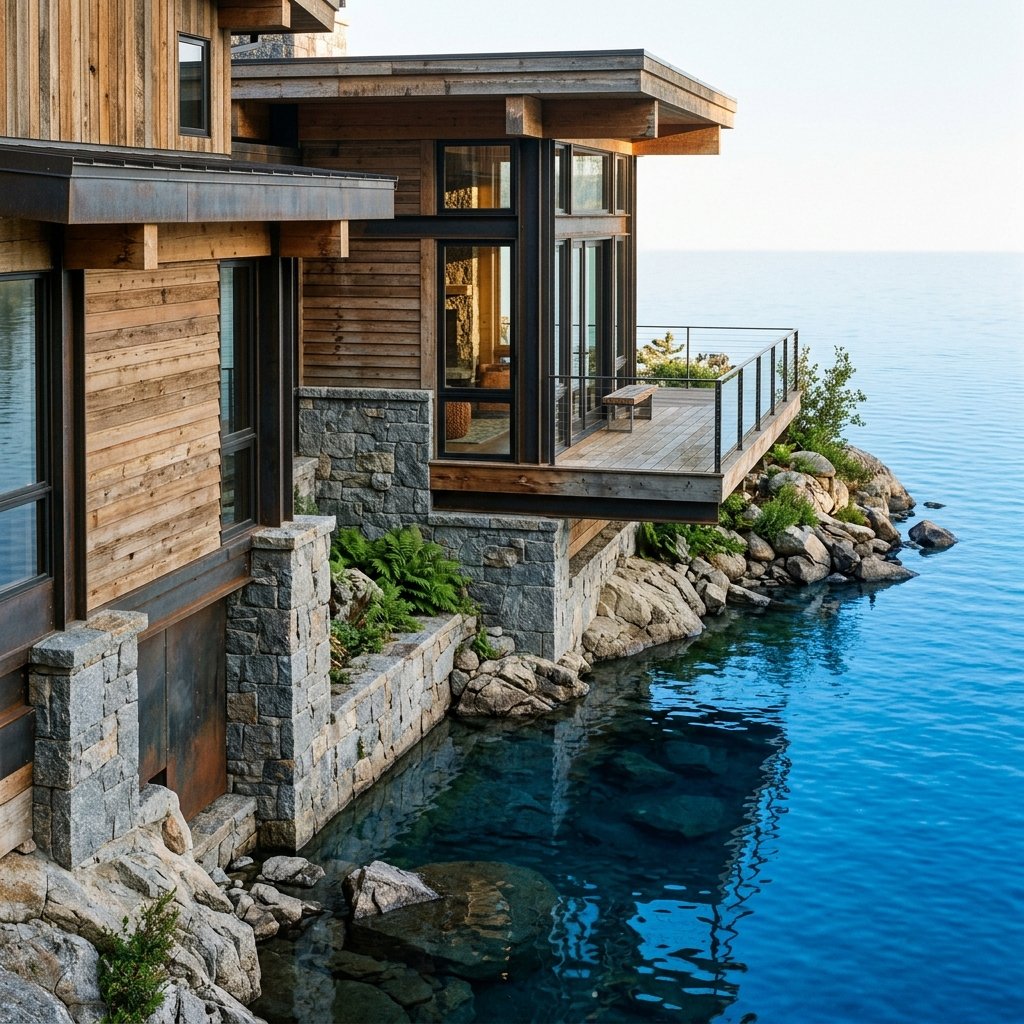
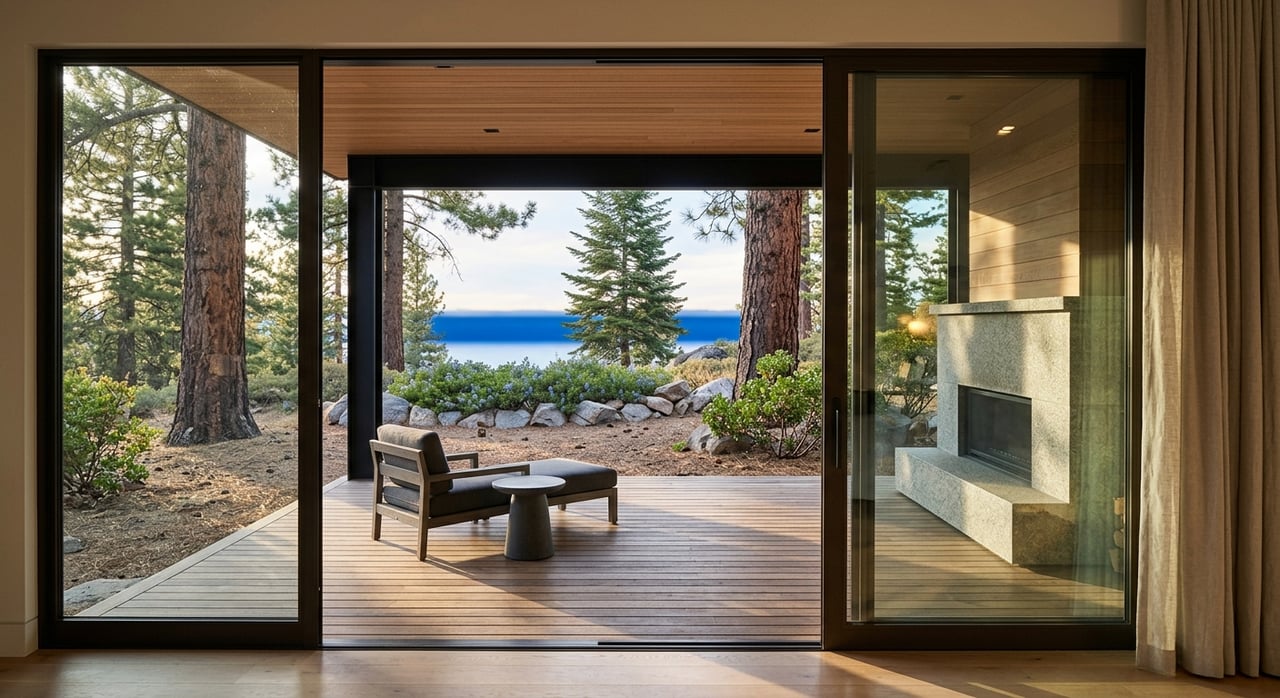
If you want the water at your doorstep, lakefront is the direct path. You get immediate access for swimming and boating, and the setting delivers high prestige and strong per-square-foot pricing. For many buyers, the experience of stepping onto the beach is the deciding factor.
TRPA shorezone rules tightly control new piers, docks, land coverage increases, and vegetation management. Even repairs can require permits and mitigation. Expect more time and documentation to complete shoreline-related projects than you would in a typical market outside the Basin.
Living on the water brings unique exposure. High lake levels and storms can push waves against structures and accelerate erosion. Winter ice and wave action can damage docks and seawalls. Plan for ongoing inspections and budget for shoreline work, including riprap, seawall care, and pier maintenance.
Standard homeowners policies usually exclude flood. If your home sits near flood-prone areas, lenders may require separate flood insurance. Check your FEMA map status and, when relevant, confirm elevations using FEMA Flood Maps. For an overview of coverage basics and the National Flood Insurance Program, start with FloodSmart. Also know that owning shoreline property does not automatically grant the right to build or replace a pier. Docking and mooring rights depend on TRPA rules and recorded title rights.
Lakefront parcels can face narrow access roads, limited driveway options, and tight parking. Septic placement and snow storage must be planned carefully. These practical details matter if you anticipate frequent guests or short-term rental use.
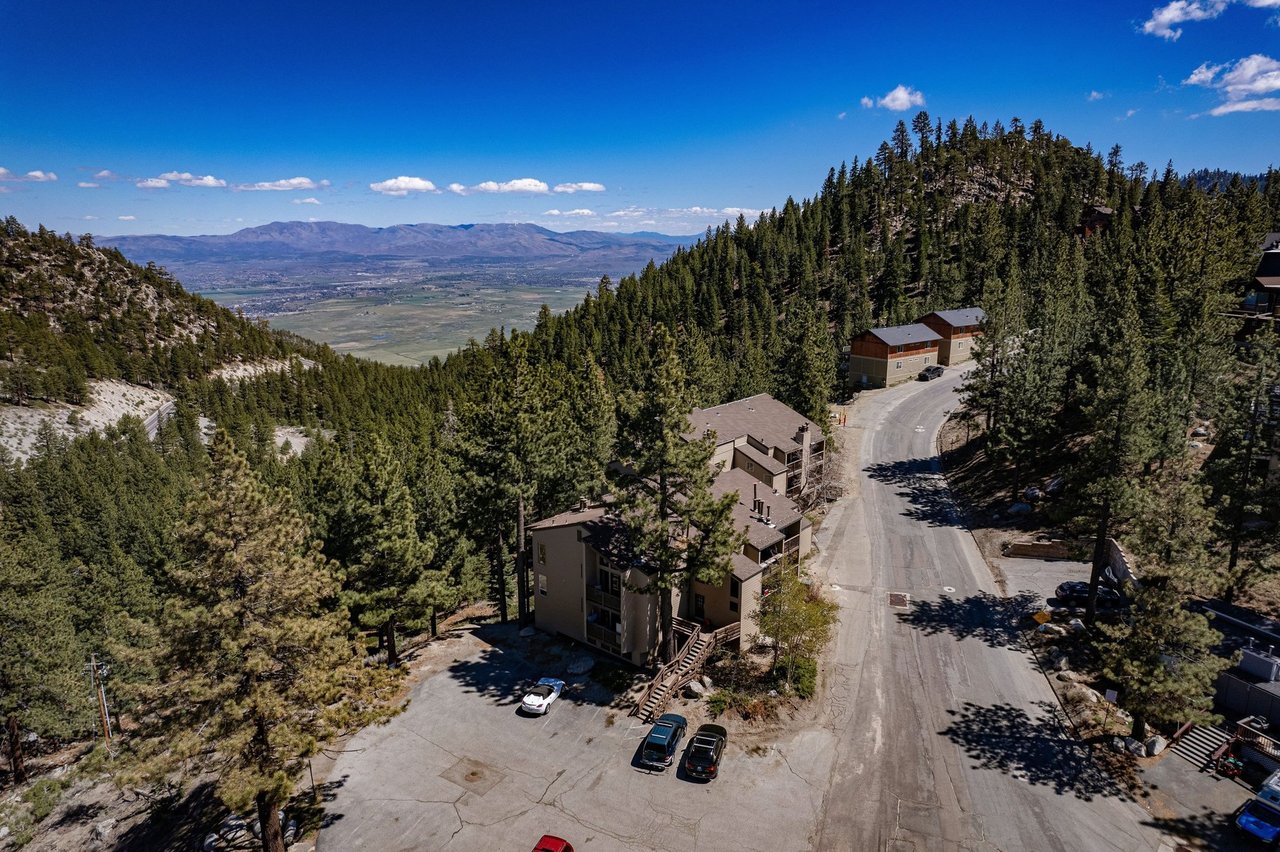
Hillside properties often deliver panoramic views and privacy. Many lots offer more flexible home siting, terraces, and orientation for sun and scenery. In some cases, price per square foot can be lower than immediate lakefront while still capturing dramatic lake and mountain vistas.
Steep slopes can require engineered foundations, retaining walls, and advanced drainage. Access can be challenging during heavy snow, and steep driveways may need frequent plowing and traction solutions. Utility runs, water pressure, and septic design can add complexity and cost compared with lower, flatter sites.
Wildfire exposure rises with dense vegetation on the hillsides. You may be required to create and maintain defensible space and select fire-resistant materials. Expect periodic work on erosion control and retaining walls, and plan for foundation monitoring on steep lots.
While flood risk is often lower up the hill, wildfire risk can impact coverage availability and premiums. Many insurers weigh defensible space, roof materials, and fire-response access. Engage carriers early and get quotes before you close, especially if the parcel sits amid heavy fuels or on a challenging road.
TRPA regulates land coverage, tree removal, and any construction that affects the shorezone. Projects that might be routine elsewhere can trigger extra steps here. Review current rules and permitting pathways directly with TRPA before you plan changes to docks, piers, vegetation, or coverage.
Douglas County handles building permits, grading and erosion control permits, septic and sewer connections, and code enforcement. If you plan to rent the property short term, you will need to follow the county’s business licensing and transient lodging tax requirements. Start with Douglas County Planning & Building and confirm current ordinances before booking renters.
Lakefront properties are rare and command a premium, which typically means a higher entry cost and a more selective buyer pool. Hillside homes can reach broader buyers and, in many cases, offer strong views at a lower price per square foot. For specifics, review recent sales with your agent and verify assessed values with the Douglas County Assessor.
Vacation demand around Lake Tahoe is strong, but supply is constrained by rules. Lakefront homes can command higher nightly rates and greater scrutiny for parking and noise. Any rental plan should start with a compliance review of Douglas County’s licensing and tax requirements.
Lakefront can move slower in some cycles but achieves premium prices when demand is active. Hillside homes often appeal to a wider market, and the best view parcels can resell quickly. Market timing, access, and the quality of views will influence velocity in both settings.
You deserve clear answers before you commit. Our advisory approach starts with a planning conversation that maps your lifestyle priorities to specific parcels, then surfaces the real costs, timelines, and regulatory steps. We help you assemble the right consultants early, from geotechnical engineers to shoreline specialists, and coordinate with TRPA and Douglas County so you move forward with confidence.
When it is time to sell, premium presentation matters. Our in-house production team crafts cinematic storytelling that brings Zephyr Cove to life, while concierge service handles every detail to maximize price and speed. Ready to explore the shore or the hills? Connect with JB Benna to Schedule a Concierge Consultation.
Real Estate

Appreciation
Real Estate
Where Tahoe Village Meets The Mountains

Entertainment

Real Estate
A Family Shared Experience
We are innovating real estate and advancing the way homes are sold and bought. We are rooted in our community heritage and relationships and grounded in sleek, custom and modern marketing.
BENNA MOUNTAIN LUXURY
13945 S. Virginia St. #606 Reno, NV 89511 5301 Kietzke Ln #200 Reno, NV 89511