
Relocating from the Bay Area to Reno: A Practical Guide
January 1, 2026
January 1, 2026
Trading Bay Area traffic for alpine mornings and weekend laps at Tahoe can feel like a dream. You might also be weighing taxes, housing costs, and how to time a sale and purchase across two states. You want a clear, practical roadmap so your move to Reno feels confident, not chaotic. In this guide, you’ll get a step‑by‑step plan, neighborhood insights, key tax and insurance considerations, and the logistics you need for a smooth relocation. Let’s dive in.
Reno offers a combination of lifestyle and financial advantages that continues to attract Bay Area residents. Nevada has no state personal income tax, which can create meaningful ongoing savings compared to California. Outdoor access is exceptional, with year‑round recreation and proximity to Lake Tahoe for skiing, hiking, and water activities.
Housing in Reno has historically been more attainable than many Bay Area markets. Prices rose during 2020–2023, so the gap has narrowed in some segments. Competition varies by neighborhood and price tier, with lower‑priced single‑family homes and newer subdivisions often moving faster. For current median price, days on market, and inventory, request a date‑stamped snapshot from recent local MLS reports.
Reno’s economy continues to diversify. Key sectors include advanced manufacturing, logistics, healthcare, gaming and hospitality, and education anchored by the University of Nevada, Reno. Regional employers support a range of roles, and commute times are typically shorter than many Bay Area corridors.
If you want walkability and an urban feel, focus on Midtown and Downtown. You’ll find older homes, townhomes, and condos near restaurants, coffee shops, and UNR. Expect a lively vibe and shorter commutes to central employers.
These established areas offer tree‑lined streets and a mix of mid‑century and older homes. They appeal to buyers who want character, proximity to services, and an easy connection to central Reno. Lot sizes and architecture vary, so in‑person tours help narrow your shortlist.
South Reno’s planned communities feature newer construction, parks, and shopping centers. Many homes are in homeowners associations, so reviewing budgets, reserves, and CC&Rs is important. If you prefer modern floor plans and community amenities, this is a strong fit.
These suburban and semi‑rural pockets include master‑planned and golf‑oriented neighborhoods as well as newer subdivisions. You’ll see a range of price points and views. If you value open space with neighborhood infrastructure, put these on your tour list.
Sparks sits adjacent to Reno with options that can stretch your budget. Spanish Springs often offers larger lots and family‑oriented subdivisions. Commutes to central Reno are manageable via I‑80, with shopping and services nearby.
Some buyers look toward the mountains for immediate access to skiing and trails. Areas around Lake Tahoe and Truckee sit outside Reno city limits and have different weather and commute patterns. If you split time between city and slopes, plan for seasonal travel and road conditions.
You have three practical paths. Each has trade‑offs, and your equity position and risk tolerance will guide the decision.
Loan products and down payment norms are broadly similar between California and Nevada. Still, it helps to get pre‑approved with a lender who knows Washoe County property types, HOA structures, and appraisal patterns. A strong pre‑approval signals readiness and can improve your offer terms.
If you have significant equity from a Bay Area sale, consider whether an all‑cash or high‑down‑payment offer makes sense. Both can be competitive in Reno’s market. Local title companies and lenders can provide closing cost estimates, and your agent can model scenarios that align with your move timeline.
Working with a Nevada‑licensed agent is important. State‑specific forms, standard contingencies, and escrow timelines differ from California. Expect financing, appraisal, and inspection contingencies, and plan to use local title and escrow providers who understand Washoe County norms.
Sellers complete Nevada statutory disclosures. If a property was built before 1978, verify lead‑based paint disclosures. Many modern neighborhoods have HOAs, so review budgets, reserves, rules, and any special assessment history before you remove contingencies.
Nevada does not have a statewide real estate transfer tax like some states. County recording fees and title insurance apply. For property taxes, note that California’s Proposition 13 benefits do not transfer. Nevada assesses property taxes under its own system, so plan for a different assessed‑value relationship than what you may be used to in California.
Reno sits in a high‑desert and mountain environment. Smart due diligence protects your investment and your comfort.
A clear plan keeps your cross‑state move on track. Use this checklist to stay organized.
Interstate moving costs depend on home size, timing, and mileage. Summer is peak season and usually more expensive. Reno is drivable from most Bay Area cities, so a staged or DIY move can reduce costs if your timeline allows. Short‑term storage or a furnished rental can help if closing dates do not align.
I‑80 runs east to west through Reno, and US‑395 connects the region north to south. Commutes are generally shorter than many Bay Area routes, though peak hours and construction can create congestion on main corridors. Reno‑Tahoe International Airport offers flights to major hubs, including Bay Area airports, and Amtrak’s California Zephyr serves Reno for intercity travel.
Driving time to San Francisco or Silicon Valley typically ranges from about 3.5 to 4.5 hours depending on route and conditions. Sacramento is often a 1.5 to 2 hour drive. If you keep Bay Area business commitments, flight time to SFO is about an hour, making day‑trips feasible.
Insurance markets and coverage can differ from what you know in California. Compare policies side by side and confirm exclusions.
A successful relocation balances financial strategy with lifestyle fit. You want the right house, the right neighborhood, and the right timing between a California sale and a Nevada purchase. That is where a high‑touch, local team makes the difference.
At Benna Mountain Luxury, you get concierge‑level advisory across both sides of your move and deep, on‑the‑ground expertise from Reno to North Lake Tahoe and Truckee. For sellers, in‑house cinematic marketing and Sierra Sotheby’s distribution help drive premium presentation and faster offers. For buyers, you’ll benefit from neighborhood guidance, off‑market scouting, and a closing plan that accounts for Nevada‑specific contracts, inspections, and escrow timing. If you are ready to map out your Reno strategy, connect with JB Benna for a tailored plan.

Entertainment
Real Estate
A Family Shared Experience
Mountain Living

Real Estate
Key Insights and Data for the Reno Tahoe Area
Mountain Living
real estate, mountain living
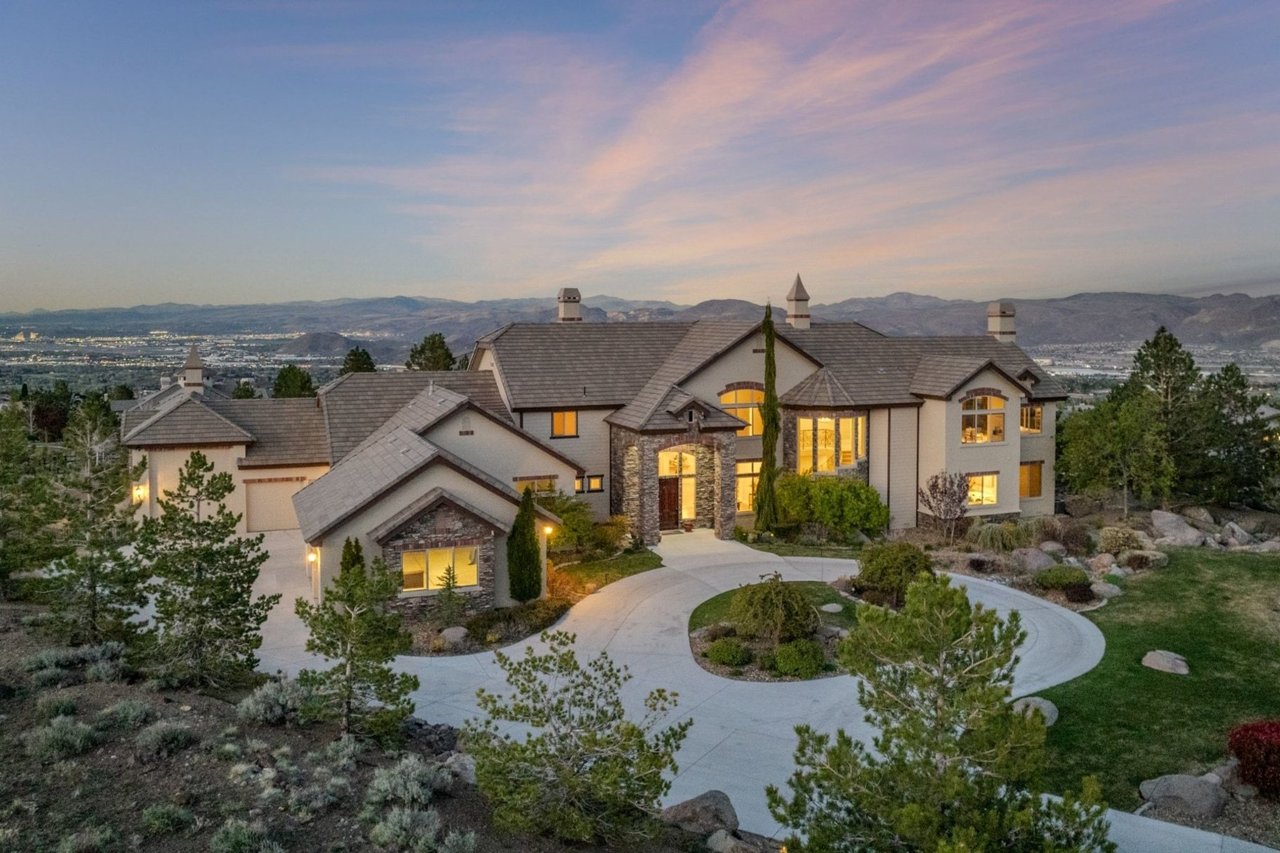
Mountain Living
Private Mountain Estate Above the Lights

Real Estate
Recognized by Sierra Sotheby's International Realty
real estate, mountain living
We are innovating real estate and advancing the way homes are sold and bought. We are rooted in our community heritage and relationships and grounded in sleek, custom and modern marketing.

BENNA MOUNTAIN LUXURY
13945 S. Virginia St. #606 Reno, NV 89511 5301 Kietzke Ln #200 Reno, NV 89511